
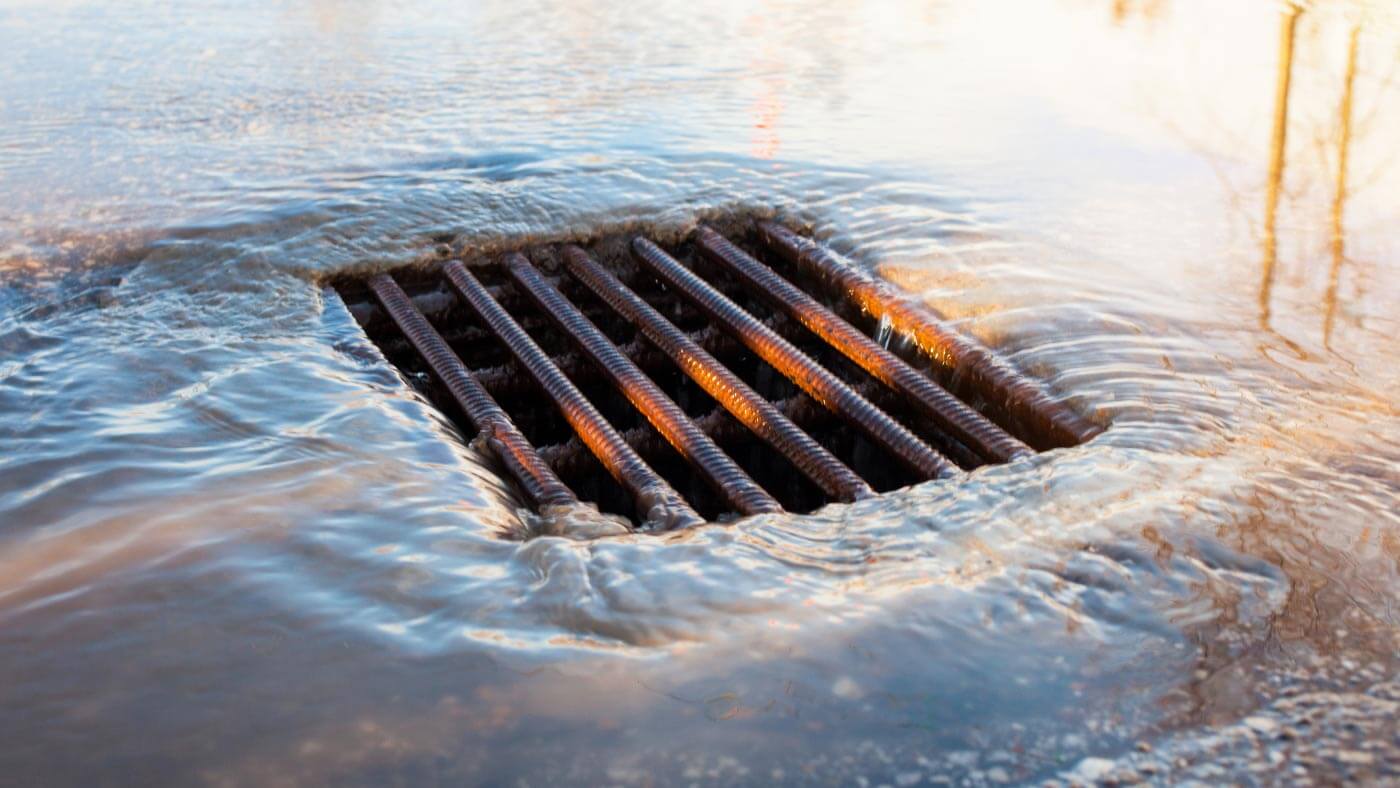
Imagine a heavy summer cloudburst – within minutes, water’s pouring off your roof and into the drains. Stormwater drains quietly whisk rain away through pipes and pits, but if they clog or crack, you could be up to your ankles in trouble.
In Macarthur, NSW, where sudden downpours can turn yards into mini-lagoons, it’s crucial to keep these drains in working order. In this article I’ll walk you through how stormwater drainage works, what can go wrong, and how to handle it when it does. You’ll get practical Aussie advice (with a dash of humour) on simple checks you can do, plus clear tips on when to ring in the pros.
Understanding Stormwater Drainage
Stormwater is just rainwater (and runoff) that’s swept off rooftops, driveways and yards. It’s not the same as the sewage drain that handles your sinks and toilet.
Instead, stormwater flows into special pipes or grated pits, and (usually) straight out to local creeks or the sea – mostly untreated. That’s why keeping these drains clear is not only about your backyard staying dry, but also about stopping oils, leaves and litter from polluting waterways.
Here’s the picture: your gutters funnel rain into downpipes, which feed a stormwater pit or grate in the ground. From there, an underground pipe carries water out to the street or nearest creek.
If everything’s clear, you barely notice the system. But get a blocked grate or a cracked pipe, and you’ll see puddles, hear gurgling water, or worse – soil erosion and piping-sounds underfoot. A seriously clogged pit can quickly turn your lawn into a muddy mess during heavy rain. (Trust me, I’ve mopped up enough bathers soaking in my garden to know.)
In Australia, and especially in NSW, homeowners are responsible for their own stormwater drains. Local councils look after the main public network, but your downpipes, pits and private piping are on you to maintain.
In fact, Cumberland City Council notes that stormwater problems on private property are the owner’s responsibility. So if your yard’s storm drain goes kaput, don’t expect the council to fix it – you’ll need to act.
Common Problems with Stormwater Drains
Stormwater systems are simple, but several things can go pear-shaped over time. Here are the usual suspects behind drain dramas:
- Leaf litter and debris: When gutters aren’t cleaned, bits of leaf, twigs and dirt wash into the storm pit and build up. Over weeks or months, a sticky sludge or mass of leaves will block water flow.
- Tree roots: Roots love moisture. If a crack or joint is present, roots can snake in and chock the pipe. Once they take hold, they trap debris and cause big clogs. (Think of it as nature’s own pipe network, only much harder to fix.)
- Poor installation or shifting pipes: Sometimes stormwater pipes were not sloped or joined correctly. Over time, ground movement can cause pipes to separate or sag. You might then get sudden puddles or even a sinkhole effect if the ground under the pipes washes away.
- Collapsed or cracked pipes: Old PVC or clay drains can break from pressure or ground settling. A cracked pipe may leak water into your soil (leading to soggy patches) or a collapse can fully block the line.
When these issues strike, short-term fixes (like manually scooping leaves or jamming a stick through the grate) might offer a hint of relief, but often the problem runs deeper.
That’s when you need professional help. If you’re battling stubborn jams or suspect a broken pipe, don’t waste another rainy day – our Stormwater Drain Repair specialists have the gear and know-how to tackle it. They can use high-pressure jets, cameras or even trenchless relining to sort out even the nastiest blockages and damage.
- Overflowing pits and gushing water: If water is pouring out around a pit during rain, or sidestepping the drain, that tells you something downstream is blocked or full.
- Pooling or flooding: Notice soggy spots on your lawn or driveway that never used to be wet? Standing water after storms means your drain isn’t carrying it away fast enough.
- Erosion or sinking ground: If you see soil washing away around pipes, or a sudden dip next to a drain, it could be a leak or a collapsed pipe under the surface. That’s a plumbing job, not DIY territory.
All of these are big red flags. They’re the moments to stop fiddling with homemade fixes and pick up the phone for an expert plumber. Better a quick professional fix now than a big bill later when your driveway cracks or your foot sinks into a hidden hole!
DIY Checks and Preventative Maintenance
Look, you’re not off the hook – a little regular care can save a world of pain. Here are some friendly, easy steps you can do yourself to keep your stormwater drain in decent nick:
- Clean your gutters and roof: Grab a ladder (safely!) and remove leaves and gunk from the roof gutters and downpipes regularly – especially in autumn and winter when trees drop the most. This stops junk washing straight into the pits.
- Inspect the stormwater pit: Open the grated pit (if you’ve got access) and eyeball it for blockages. You might see a grate or basket that catches debris – clear it out. A grabber or trowel can help remove sludge. Always watch out for creepy crawlies down there!
- Use the hose test: With the grate open, run a garden hose through the downpipe or directly into the pit and see if water flows freely. If it backs up or trickles out slowly, there’s an obstruction that needs work.
- Keep heavy items away: Don’t park or stack heavy rubbish bins over a storm drain grate or in the yard where pipes run. Constant weight can crush lids or pipes over time.
- Fit leaf guards: Consider mesh guards on gutters or pits to screen out leaves. Just be sure they’re not blocking water entry – councils require grates to stay clear so rain can rush in.
- Mind the garden: Tree roots are sneaky. If possible, avoid planting large rooty trees right above the drain line. Clip any roots you can see near grates (early pruning is easier than emergency jackhammering).
- Monitor after heavy rain: Once in a while after a big storm, walk around and check for any new pools or leaks. Early detection means easier fixes.
By staying on top of these basics, you can delay or even prevent many headaches. But remember: if you try a few of these tricks and the drain still isn’t working right, it’s time to call in help. And one more time for the hard-headed: according to Cumberland City Council guidelines, stormwater drain repair on your property is your job – not the council’s.
When to Call a Professional Plumber
Okay, you’ve done what you can, but some problems just need a pro’s touch. Don’t ignore these warning signs – calling a plumber early can save you a fortune and heaps of stress:
- Persistent Blockages: You’ve plunged, poked and flushed, but the drain still overflows or backs up whenever it rains. Recurring clogs mean something serious is stuck way down the pipe (root, grease, collapse, etc.). A plumber will use cameras and high-pressure water jets to clear it out for good.
- Structural Damage: Spot cracked pipes, sunken paving, or a pit that’s split? These indicate a physical failure of the drain. You might hear gushing underground or see soil disappearing. Only professionals (with excavation gear or trenchless tech) should fix this. Left alone, you risk sinkholes or burst pipes.
- Gurgling or Strange Sounds: If you hear gurgling or bubbling noises from drains or pits during rain, it could mean air is trapped by a blockage. It’s like a cry for help from your drain system – time to have it checked.
- Odours from Storm Drains: Normally, stormwater drains shouldn’t smell (sewage should be sealed off). If you detect a foul or sewer-like odour near a storm grate, don’t ignore it. It might signal a hidden connection issue or rot. Get a plumber to investigate before it worsens.
- Repeated DIY Failures: Even if you’re handy, there’s no shame in reaching a point where nothing else works. Stubborn jobs like deep clogs, root cutting, and pipe relining need special tools. Professional plumbers have hydro-jetters, cable machines, CCTV cameras, and relining gear that solve problems without digging up your whole yard.
Why call early? Because ignoring a bad stormwater problem can let it snowball into structural damage. A small crack might stay small with a quick repair – left alone, it can widen and cause major collapse. Also, routine plumber check-ups can spot issues on the rise (like a slowly sagging pipe) before you wake up to a flooded garage.
Conclusion
Your stormwater drains may be out of sight, but they shouldn’t be out of mind. A little vigilance and timely action now will keep your Macarthur home dry and happy when the skies open up. Make it a habit: clean those gutters, do a quick hose-test of the pit, and keep an eye on yard moisture levels after rain. If you ever see water pooling, hear strange drainage noises, or tackle a blockage that just won’t budge – that’s your cue to call in the experts.
Getting a licensed plumber to inspect or fix a troublesome storm drain sooner rather than later can save you from a full-blown emergency (and a bigger bill) later on. Don’t let a pesky stormwater issue become a flooding disaster. Stay on top of maintenance, and when the job is too big or weird to handle alone, reach out to the pros for help.
Ready to keep your drains flowing freely? Don’t wait for the next storm warning. If anything looks off, contact a trusted local plumber for an inspection or repair. A quick call today can save you a world of hassle tomorrow.
Frequently Asked Questions
Q: How can I tell if my stormwater drain is blocked?
A: Early signs are overflowing or slow-draining pits, water pooling around drains after rain, and gurgling noises from the pipes. You might also notice plants or grass staying unnaturally wet, or even flapping surface drains. If in doubt, run a hose into the drain and see if it backs up or takes ages to disappear.
Q: Can I fix a blocked stormwater drain myself?
A: For minor clogs, yes. You can try clearing the grate of leaves, using a plumber’s snake, or flushing with a high-pressure hose. Hot water and detergent can help dissolve greasy buildup. However, do not dig up pipes or use harsh chemicals. If these DIY steps don’t work quickly, or if the problem keeps coming back, it’s time to get a plumber involved.
Q: How do I prevent stormwater drain problems?
A: Prevention is all about regular maintenance. Keep gutters and downpipes clean, fit leaf guards on your drains, and check pits after storms. Trim tree roots near drains and avoid clogging your yard with soil or debris. Simple habits like sweeping leaves from the yard and inspecting pipes yearly can dramatically reduce blockages.
Q: Who is responsible for fixing stormwater drains on my property?
A: In NSW (and Macarthur), you are responsible for the stormwater system on your land. Local councils manage public drains and streets, but your home’s gutters, pits and private pipes are your job to maintain. So if you have a blockage or leak on your property, you’ll need to arrange the repair – usually by calling a licensed plumber.