Imagine it’s a chilly Macarthur morning and you turn on the shower only to be blasted with icy water – yikes! You face the classic dilemma: do you roll up your sleeves and tackle the hot water system yourself, or do you call in a licensed plumber?
In this article, I’ll walk you through both approaches, weighing the pros and cons of DIY versus professional hot water system repairs. We’ll mix a bit of Aussie humour with practical advice (no bull, fair dinkum facts), so by the end you can make the best call for your home and wallet.
Common Hot Water System Problems
Before diving in, let’s quickly outline typical issues that leave us shivering or flooding our laundry:
- No Hot Water: Elements or gas burners have given up.
- Insufficient Hot Water: Tank size too small, or thermostat mis-set.
- Temperature Too Hot or Cold: Faulty thermostat or tempering valve.
- Leaks or Drips: Corroded tank, loose fittings, or a bad pressure-relief valve.
- Odd Noises: Sediment build-up making a tank rumble.
Most of these bugs either need a quick fix (like tightening a connection) or a component replacement. And that’s where the DIY vs professional debate kicks off.
DIY Hot Water System Repairs: Pros and Cons
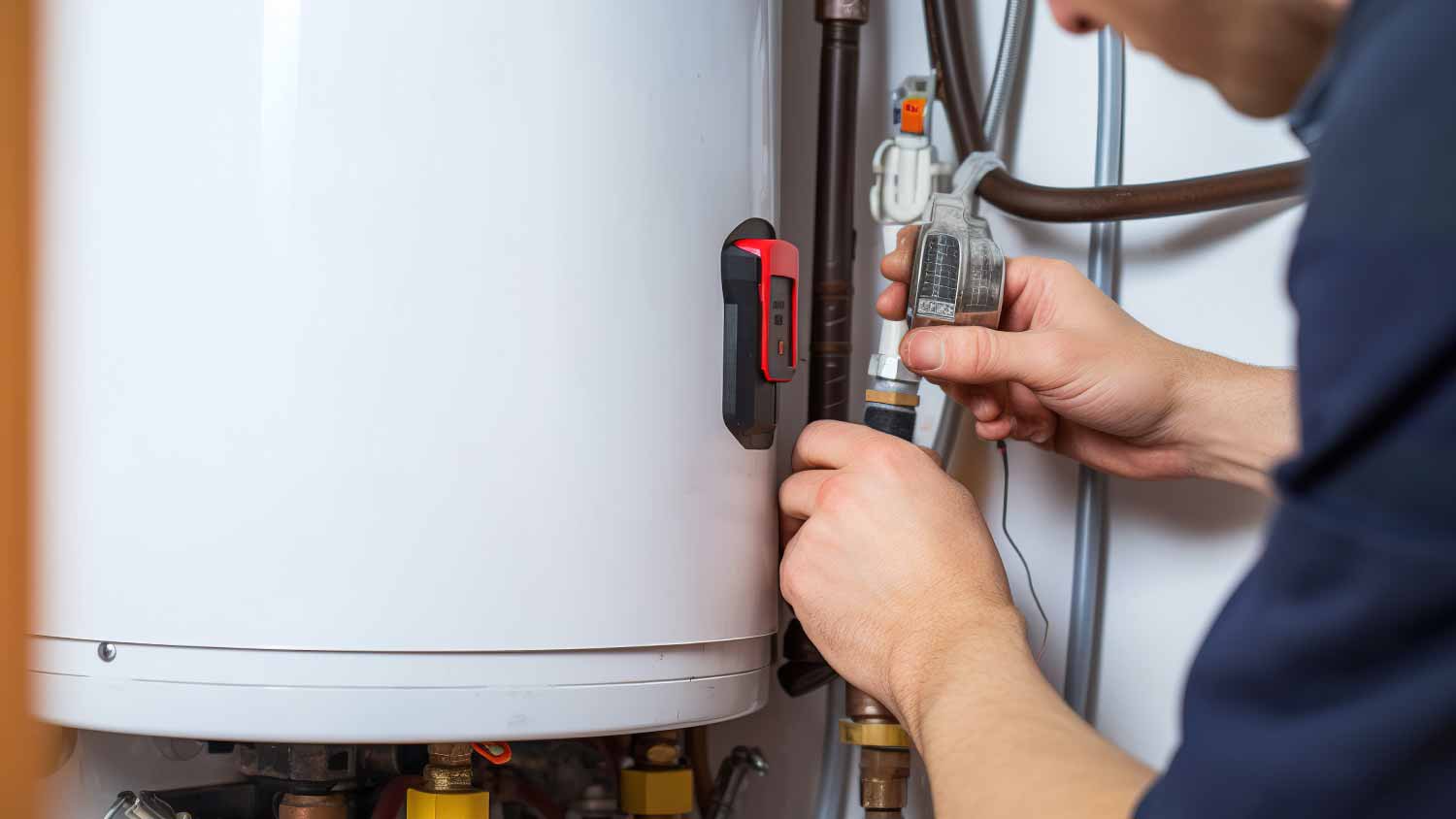
Some folks love a good DIY challenge – it feels rewarding and cheap. If you’re handy and confident, you might try swapping out a blown fuse, resealing a small leak, or bleeding an airlock. Having a basic toolkit (wrenches, screwdrivers, maybe a multimeter) and an internet guide can tempt you.
Imagine grabbing a trusty wrench and pliers and giving it a go! On the upside, DIY repairs can save on labour costs and teach you a thing or two. You can often find parts (heating element, thermostats, valves) online for $20–$60 and fit them on a weekend. It’s a satisfying challenge, like solving a puzzle in your own home. And if you enjoy tinkering, it feels great to say “I fixed it!” to your flatmates.
However, DIY comes with serious downsides. Hot water units involve electricity, gas, and scalding water – a dangerous mix. One slip-up can cause electric shocks, carbon-monoxide leaks, or scalding burns. If you miss a step (say, forget to turn off power or bleed the system properly), you could flood the house or cook the heater’s innards.
There’s also no safety net: DIY fixes have no warranty. If the problem persists or worsens, you’ll end up calling a pro anyway – and that double-fixes your wallet. Plus, doing it yourself can void warranties on new parts or the system itself.
Another big cons is legal compliance. In Australia, major hot water system work (like installing a new heater or gas parts) must be done by a licensed plumber. Skipping official certification can even void your home insurance.
In short, tackling simple DIY tasks (like resetting a tripped circuit or replacing an anode rod) is okay, but anything more complex can be risky business. I often tell mates: unless you’re a qualified plumber, remember DIY stands for “Darn It, I’m Flustered” when it goes sideways!
DIY Pros:
- Lower immediate cost (you buy only parts and use your own time).
- Satisfaction and learning – you gain plumbing know-how.
- Immediate action if a call-out feels too slow.
DIY Cons:
- Safety risks: electricity, gas leaks, scalds from >50°C water.
- No guarantee: If it fails, you foot the entire bill later.
- Legal issues: Breaking regulations or voiding warranties.
- Time and frustration: What should be quick can become all-day nightmares.
Professional Hot Water System Repairs: Pros and Cons
When a trained plumber comes to the rescue, they bring experience and the right tools. Let’s talk about professional repair. As a local Macarthur plumber, I can attest that hiring a pro usually means faster, more reliable fixes. Pros know the quirks of hot water systems inside out – whether electric, gas or solar.
They’ll diagnose the problem quickly (think of tools like thermal cameras and test gauges that most homeowners don’t have) and get it sorted. A big plus is safety and compliance: professionals follow Australian standards (AS/NZS 3500) and ensure your water stays above 60°C in the tank but below 50°C at the tap.
In fact, even the Australian government advises getting a licensed installer for such work, since safety valves and codes matter.
Professional Pros:
- Expertise & tools: Fast, accurate repairs and thorough testing.
- Warranty/Guarantee: Most plumbers offer guarantee on parts/work.
- Safety & compliance: Meets legal requirements (tempering valves, permits, etc.).
- Long-term savings: Proper fixes can prevent recurring failures.
Professional Cons:
- Higher upfront cost: Call-out fees + hourly rates.
- Scheduling: May need to wait for an appointment.
- Trust factor: You need to pick a reliable plumber (check reviews!).
Overall, professionals cost more, but you’re paying for peace of mind. A local plumber knows Macarthur’s specific conditions (water quality, climate, local regulations) and often spots issues before they become emergencies. For example, they’ll test your pressure-relief valve and electric element – tasks most DIYers overlook.
Comparing DIY and Professional Repairs
| Factor | DIY Repairs | Professional Repairs |
|---|---|---|
| Upfront Cost | Low (parts only) | High (parts + labour & call-out) |
| Expertise Needed | High (you do all the diagnosing & fixing) | Low (plumber has training) |
| Safety Risk | High (electricity, gas, hot water hazards) | Low (follows safety codes) |
| Warranty | None (you’re on your own) | Often provided (for work and parts) |
| Code Compliance | Risk of violating regs (no compliance checks) | Always compliant with Australian standards |
| Convenience | Immediate, if you have time/motivation | Scheduled visit, but no hassle for you |
| Longevity | Mixed (depends on your skill) | Generally reliable (lasting repairs) |
The table above sums it up: DIY may save cash today, but professional work can save headaches tomorrow.
When to DIY and When to Call a Pro
A good rule of thumb: small fixes or maintenance? Go ahead and DIY if you feel confident. For example:
- Flushing the tank: Annual drain to remove sediment (pretty straightforward).
- Minor leak from a pipe: Tightening or sealing a loose joint (simple fix).
- Replacing a pilot light on an older gas heater: If you know how to safely relight it.
But if the issue involves gas lines, major electricity work, tank leaks or inside parts of the heater, it’s time to phone a pro. Consider these warning signs to call a plumber:
- Complete loss of hot water, or water only lukewarm.
- Water pooling around the base of the heater (tank corrosion or bad valve).
- Strange noises like banging or hissing from the unit.
- Burning smells or soot near a gas heater.
- Temperature issues you can’t fix by tweaking a dial.
In short, if you’re stuck, remember Professional Hot Water System Repairs Macarthur are just a call away. These experts handle everything from element swaps to gas flow fixes. They’ll explain options clearly (I always walk homeowners through the diagnosis) and get the job done safely.
Conclusion
Fixing your hot water system is one of those chores that can either be a weekend DIY adventure or a spa-quality outcome thanks to the pros. DIY can be rewarding and cheap, but it also comes with safety and legal risks if you’re not careful.
On the flip side, a licensed plumber costs more upfront but brings expertise, warranties, and peace of mind – no cold-shower surprises later. Ultimately, weigh the task at hand: For simple errands, a DIY touch might work; for anything fiddly or safety-related, hiring professional help is usually worth it.
No matter what, don’t gamble with scalds, leaks, or code compliance. Take action today: double-check your hot water system’s valves, or better yet, call in your local hot water specialist. Stay safe, stay warm, and keep those showers hot!
Ready for reliable hot showers? Book a professional inspection now or start with easy maintenance tips today to ensure your home’s hot water is always on tap.
Frequently Asked Questions
Q: Is it legal to repair my own hot water system in Australia?
A: Small maintenance tasks like draining the tank can be DIY, but major repairs or installations require a licensed plumber by law. Doing gas or complex electrical work without a permit can void insurance and warranties.
Q: What are common signs my hot water heater needs repair?
A: Key red flags include no hot water, inconsistent temperatures, pooling water around the heater (a sign of leaks), unusual noises (like popping or hissing), or rusty/discoloured water. Also watch for pilot lights that won’t stay lit on gas units.
Q: How much can I expect to pay for hot water system repairs?
A: Simple fixes might cost just the price of a part (e.g. $30–$60 for a new valve). Professional plumber call-outs usually start around a couple of hundred dollars for basic repairs, and can climb higher (up to $500–$800) for big jobs. While DIY can save labour costs, mistakes can multiply expenses quickly.
Q: How often should I service my hot water system?
A: It’s smart to flush your tank once a year to remove sediment and check valves. For gas heaters, have a plumber service the burner and flue every 1–2 years. Regular maintenance prolongs system life and keeps things safe.
Q: Can I fix a leaking hot water heater myself?
A: It depends. Tightening a small external fitting or replacing a minor seal might be doable for a handy homeowner. But if the tank itself is leaking or if it involves the inner pressure-relief valve, it’s best to call a professional. Leaks in a hot water system can cause flooding and safety hazards, so expert attention is often needed.
Q: What is a tempering valve and do I need one?
A: A tempering valve (or mixing valve) blends hot and cold water so tap water stays below 50°C. This prevents scald burns. By Australian standards, new hot water systems must have one installed for showers and taps. If your system is older, a plumber can retrofit this safety device to keep your family safe.