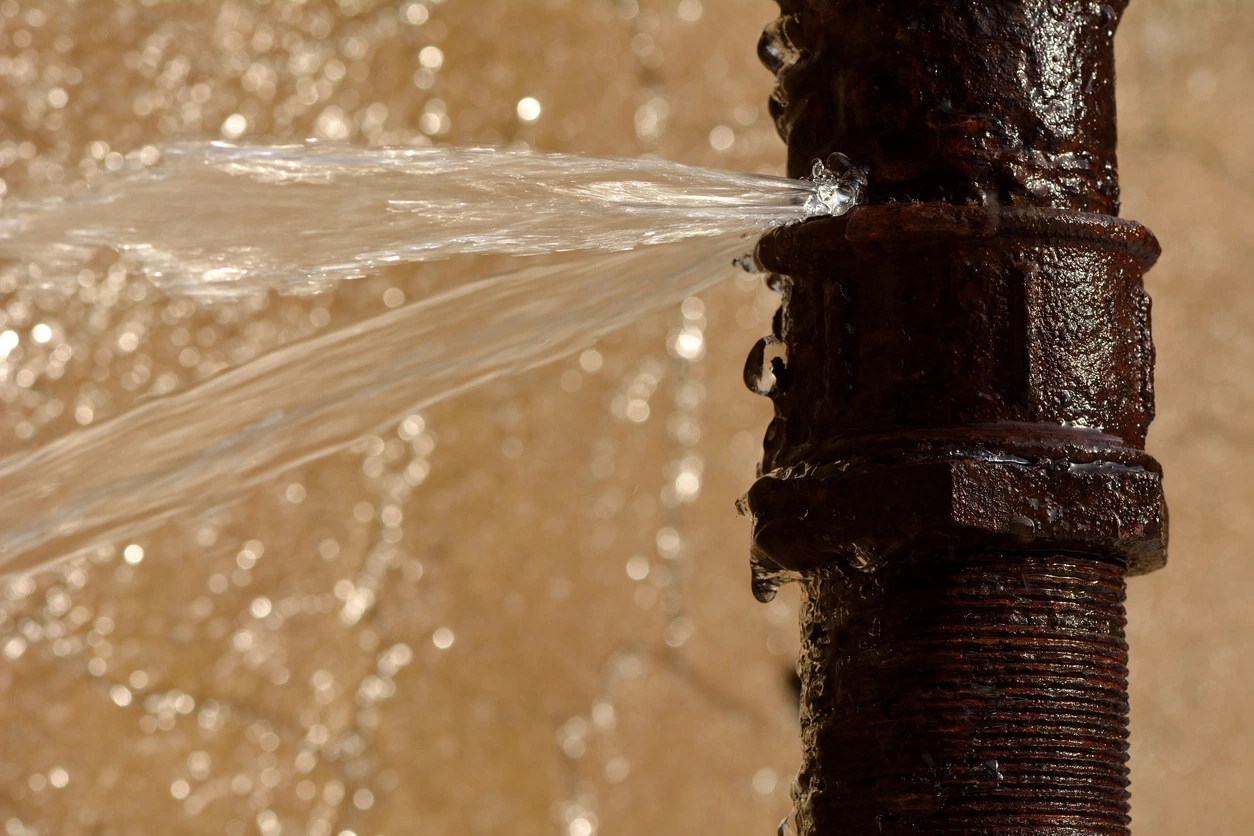
Imagine waking to the sound of rushing water in your house, not rain, but your ceiling leaking all over the lounge. In Macarthur, burst pipes are a common (and costly) headache for homeowners.
In fact, insurance data shows burst pipes cause a massive chunk of home water damage claims, far more than storms or floods. A busted pipe can turn your hallway into a mini-swimming pool in no time. But the good news is, most causes of pipe bursts are preventable or fixable once you know what to look for.
In this post I’ll walk you through the main culprits from high pressure to sneaky tree roots and explain how the right repairs and maintenance can save the day.
Burst pipes are like surprise indoor fountains – exciting only if you own a pool, but generally not good. They happen because our plumbing is under pressure (literally) most of the time, and any weakness can give way.
In Macarthur’s suburban homes, pipes hide behind walls, under slabs, or in outdoor taps, so we often don’t notice problems until the mess starts. So let’s dig into the top reasons your pipes might suddenly fail, and how emergency plumbing pros fix them.
High Water Pressure
- Why it happens: Just like too much gas in a tyre, too much water pressure stretches and stresses pipes until they burst. Most city water supplies hover around 300–500 kilopascals (kPa), but if it spikes higher (say above 600kPa) it can strain weak points. You might hear a water hammer a loud banging when taps shut off – if pressure spikes or pipes aren’t properly secured. Over time, that hammer and high pressure wear out pipe joints and fittings.
- Signs to watch: Loud banging noises, frequent blown taps, or sudden little leaks turning into big leaks are clues of high pressure. A sky-high water bill can hint at hidden pressure leaks too. If you’re constantly tightening taps or finding drips under the house, it might be time to check pressure.
- How repairs fix it: A pro plumber will test your supply pressure and install a pressure-reducing valve (PRV) on the main line if needed. This way the whole house stays at a safe level (usually under 500kPa). They’ll replace any damaged pipes or fittings often copper or PVC and clamp down loose pipe brackets so nothing rattles. You might see them add water hammer arrestors (small shock absorbers) to hot water lines to tame that piping percussion.
- Prevention: Have your pressure checked every few years, especially if you live at the top of a hill. You can buy a simple gauge at a hardware store to test faucets. Installing a PRV and securing pipes when first setting up your plumbing saves loads of headaches later. And if your place still has those old Flexi- hoses under taps, inspect them often (they can burst silently and flood your cabinet).
Corrosion and Aging Pipes
- Why it happens: Everything ages, and plumbing is no exception. Over decades, metal pipes (like copper or galvanized steel) corrode from the inside out. In Macarthur’s water, minerals and acidity slowly eat away at pipe walls. Hard water in parts of NSW leaves calcium deposits that calcify pipes, making them brittle and crack-prone. Even plastic pipes can degrade if UV or chemicals attacked them.
- Signs to watch: Discoloured water (brown or rusty tinge) is a red flag. You might also spot pinhole leaks on external copper sections, or find little wet spots near joins or elbows. If sections of pipe feel rough or skinny where rust ate through, a burst is on the horizon.
- How repairs fix it: A plumber will remove the corroded section and replace it with new pipe. Often this means cutting into a wall or floor slab, which can be messy. After replacing, they’ll test the system under normal pressure. For widespread corrosion (like in very old homes), they might advise re-piping larger sections or even the whole line. The goal is to use material suited to your home – e.g. switching from metal to better-quality PVC where possible.
- Prevention: Keeping an eye on water quality helps. If your water is very hard, a water softener can reduce mineral buildup inside pipes. Low pH in water can be balanced too. Schedule inspections for any plumbing over 40 years old; professional plumbers often recommend full re-pipes for aging systems. When you spot the first pinhole leak, tackle it promptly so the whole line doesn’t give up later.
Temperature and Climate Stress
- Why it happens: Most of Australia never freezes, but occasional cold snaps in Macarthur can freeze exposed outdoor pipes or mains in rare cases. On the flip side, extreme heat can make metal pipes expand during the day and contract at night, loosening fittings over time. Rapid weather swings (like a chilly winter morning in Camden, then a baking afternoon) put joints through stress.
- Signs to watch: Look at your exposed pipes in summer – any fine cracks on plastic pipes or kinks on copper show weather stress. In winter, if outdoor taps or hoses crack, or water bottles are freezing, insulate those pipes. Indoors, listen for a small pop or hiss on a cold morning – that might be a tiny ice cavity releasing pressure.
- How repairs fix it: If a pipe has burst from a freeze or heat stress, the damaged portion is cut out and replaced. In many cases, plumbers will pre-insulate outdoor piping or run it through roof space to protect from temperature swings. If soil movement (after heavy rains or drought) has strained the pipe joints, they may add expansion joints or flex couplings to accommodate ground shifts.
- Prevention: Outdoor taps and pipes in unheated areas should be wrapped or piped through the warmer part of your home. During heatwaves, simply turning off external hoses can prevent pressure build-up. And after big rains, check if the ground near your home has sunk or cracked – heavy earth movement can twist underground pipes.
Roots and Ground Movement
- Why it happens: Suburban Macarthur often has big old eucalypts and camphor laurels. Tree roots love plumbing – they sense moisture and snake into tiny cracks in sewer or stormwater lines. As roots grow, they expand and crush pipes, causing splits or collapses. Separately, if the ground heaves (say after a drought or flooding), buried pipes can shift or buckle.
- Signs to watch: Frequent blockages or slow drains outdoors might hint at root invasion. Look for sinkholes or pools of water in your yard after rain. If a section of pipe is root-choked, a plumber may use a video camera inspection to find it.
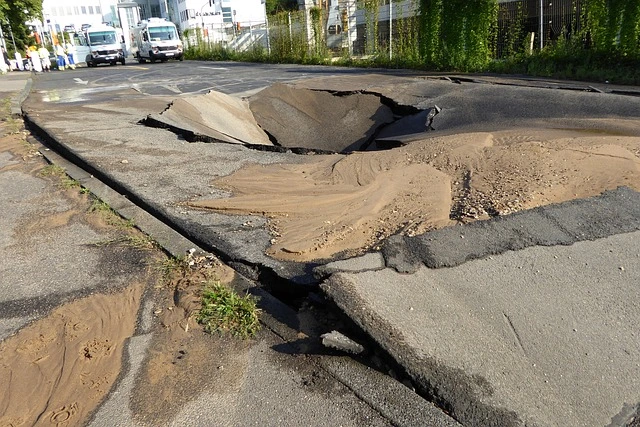
- How repairs fix it: The immediate fix is usually to remove the roots (with a machine auger or by hand after digging). Then the damaged pipe is replaced. For trees close to plumbing, trenchless pipe relining is an option – a flexible liner with epoxy is inserted to form a new pipe inside the old one, sealing cracks. If a pipe network under a street breaks, it’s often patched and refilled like a roadworks job.
- Prevention: Never plant large trees right over known sewer or stormwater lines. If you already have them, pipe relining can preempt a burst by reinforcing old pipes. Also, using root-killing fluids (safe forms) annually in drains can keep roots at bay. Keeping the pipes clear means less chance a root has even the tiniest foothold.
Poor Installation & Faulty Materials
- Why it happens: Sometimes the culprit isn’t nature but people. Bad installation (loose fittings, poorly glued PVC joints, skipping pipe brackets) can cause bursts. Subpar materials – cheap flexi-hoses, undersized pipes, or defective products – also fail early. A hot tip: certain batches of plastic (polybutylene) pipes used in a few years might be prone to leaks, which building regulators in WA recently investigated.
- Signs to watch: Frequent repairs or leaks in one area suggest shoddy workmanship. If a flexi-hose springs a leak, or a fixture wobbles, it often means poor fastening. Visible cracks or bulges near a newly laid pipe (inside or out) mean the material is at fault.
- How repairs fix it: A good plumber will remove the faulty part – whether it’s a little flexi-hose under a sink or a whole DIY PVC run – and replace it with quality alternatives. This might include swapping PVC cement for compression fittings, or replacing worn hoses with braided stainless ones. They’ll also secure pipes properly and ensure correct slope on drainage, so problems don’t repeat.
- Prevention: Always use a licensed plumber for installations, especially new builds. Insist on reputable pipe brands and ask for warranties. After any renovation or DIY plumbing, double-check with a pro that water lines are up to code. Remember: loose couplings or floppy pipes can burst at any time, so give them an occasional tug to see if they shift.
DIY Detection and Quick Actions
If a pipe does burst, knowing what to do in the first few minutes can save thousands. Act fast: Shut off the mains water immediately (often at a valve near the water meter or street). Turn on nearby taps to drain remaining water out of the pipes. Every drop you remove stops the flood. Now, for hidden leaks (in walls or underground), try checking your water meter: record the reading, wait an hour with no water use, and see if it ticks up. A move means water is escaping somewhere.
You might patch a small leaky flexi-hose yourself if it’s under the sink (these often have little shut-off valves per fixture). But for any serious burst – especially ones in a wall or under the slab – the only safe option is to call the professionals. Plumbers have special tools (cameras, moisture meters, pipe cutters) to pinpoint and fix bursts cleanly.
Trust that Professional burst pipe repairs in Macarthur know exactly how to stop a flood fast. An experienced team can cut into walls or slabs, replace the broken pipe, and restore everything to working order (often in just a few hours).
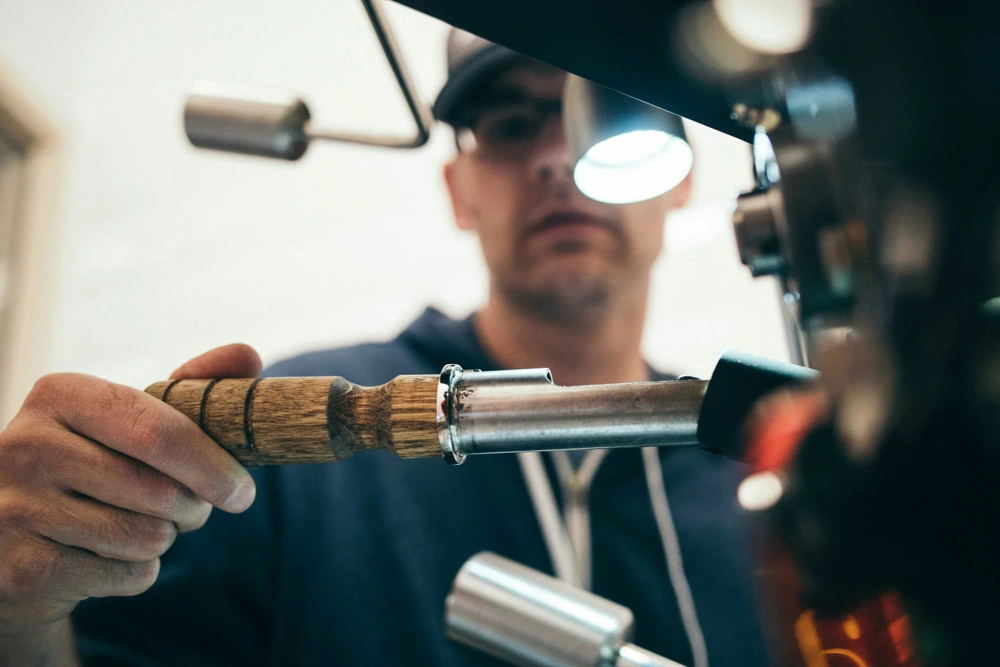
When a pipe bursts inside a wall, plumbers often have to cut through the plaster or slab to get at it. A licensed Macarthur plumber is seen here soldering a copper joint during a burst pipe repair.
Once the immediate burst is fixed, be sure to replace or repair any water-damaged walls, floors or cabinets to prevent mould and rot. Interestingly, NSW Health guidelines specifically warn that you must “repair all water leaks and plumbing problems, for example, burst water pipes,” to avoid indoor mould growth. In other words, burst pipes aren’t just a plumbing issue – they become a health issue too if not handled properly.
Prevention and Maintenance Tips
The best cure is prevention. To keep bursts at bay, incorporate these habits into your home maintenance routine:
- Insulate exposed pipes: Wrap any outdoor or garage pipes, and under-house hot water lines, especially before winter. It only takes a few bucks worth of pipe insulation, and it pays off in fewer cracks during cold snaps.
- Monitor pressure: Get a plumber to check your household water pressure yearly. If it’s too high, install or service a pressure regulator. This protects taps and appliances too.
- Clean rain gutters: Blocked gutters and stormwater can flood the yard, saturating soil and shifting buried pipes. Keeping drains clear protects underground plumbing.
- Avoid chemical drain cleaners: Harsh chemicals eat at pipes. Use a plunger or snake for clogs, or call a plumber. Keeping your drains flowing reduces built-up pressure.
- Watch your garden: As mentioned, tree roots love leaks. Don’t plant close to pipes. If you must, use root barriers or alkaline treatments in your lines annually.
- Regular inspections: Have a licensed plumber do a yearly check-up. In Macarthur’s climate, a plumber can catch a brewing issue (a pinhole leak or loose fitting) before it erupts.
Consider an annual pipe health check like we do for cars. Much cheaper than an emergency call-out in the dead of night! Some tech-savvy suppliers even offer smart sensors that ping your phone at the first hint of a leak. Modern solutions (like carbon-fibre pipe relining or automated leak shutoff valves) are making burst pipes a 21st-century solve, so ask your plumber about these if you renovate.
How Repairs Actually Fix a Burst
Repairing a burst pipe is more than slapping on a new section. Here’s what usually happens:
- Locate the damage: A plumber stops the water, then may use acoustic leak detectors (they listen for escaping water), thermal cameras, or a video snake through the pipe. This finds the exact break without guessing.
- Expose the pipe: Depending on the location, this means cutting drywall, removing floorboards, or even jackhammering a slab. Yes, it’s messy work, but experienced technicians do it cleanly and will patch up afterwards.
- Cut and replace: The broken piece of pipe is cut out with a saw or torch. Then new piping of the same type is fitted – soldered for copper, glued for PVC, or crimped for Poly pipes. Tight joins and proper supports are a must.
- Test thoroughly: Before fixing the wall back up, the water is turned on slowly to check for leaks. Plumbers watch the new joint under full pressure to make sure it holds.
- Restore the finish: Once confirmed dry, they’ll seal and patch walls, floors or concrete. Some plumbers plaster walls; others coordinate with tradies for a seamless fix. A good pro cleans up after themselves so you hardly know the pipe burst ever happened.
This hands-on approach shows why calling pros is key. They bring in the right equipment and know exactly where to cut and what to replace. In one dramatic Sydney case, a corroded main in a 40-year-old home blasted a section of footpath 50mm into the air! A skilled crew was needed to excavate, replace the pipe, and relaid the concrete properly. It’s not a job for amateurs.
Even a minor leak from a worn-out pipe can flood an area. After fixing the broken section, plumbers often install new clamps or pipe supports (as seen above) to reinforce the line.
Conclusion
Burst pipes are a scare, but with the right know-how, they don’t have to ruin your day. By understanding the top causes – from too much water pressure and hard water corrosion to sneaky tree roots – you’re already half-way to preventing them.
Regular maintenance and quick action at the first sign of trouble will stop a little leak from turning into a waterfall. And remember, if things do go wrong, you’re not alone in Macarthur: licensed experts are just a call away, ready to fix the problem quickly and properly.
Stay vigilant, be prepared, and you’ll turn the tale of a burst pipe from a tragedy into just another home-maintenance story. If you suspect a burst pipe in your home, don’t wait – shut off the water and give a reliable plumber a call today. Together, we can keep your home dry and stress-free!
Frequently Asked Questions
Q: What should I do first when a pipe bursts?
A: Turn off the main water valve straight away. Open taps to drain leftover water. Move items out of the wet area and call a plumber immediately.
Q: How do I know if I have a hidden pipe leak?
A: Check your water meter when no water runs in the house. If the reading changes after 30–60 minutes, you likely have a hidden leak.
Q: Do burst pipes happen more in winter?
A: Cold snaps can crack exposed pipes, but in Macarthur, burst pipes happen year-round due to pressure, corrosion, and ground movement.
Q: Does home insurance cover burst pipes?
A: Most policies cover sudden water damage from burst pipes, as long as you maintain your plumbing and report the issue quickly.
Q: How long does it take to fix a burst pipe?
A: Simple fixes take under an hour. Pipes in walls or slabs usually take 2–4 hours, depending on access.
Q: Can I prevent burst pipes myself?
A: You can reduce risk by checking for leaks, insulating pipes, and monitoring pressure, but a plumber should handle pressure control and old pipe issues.