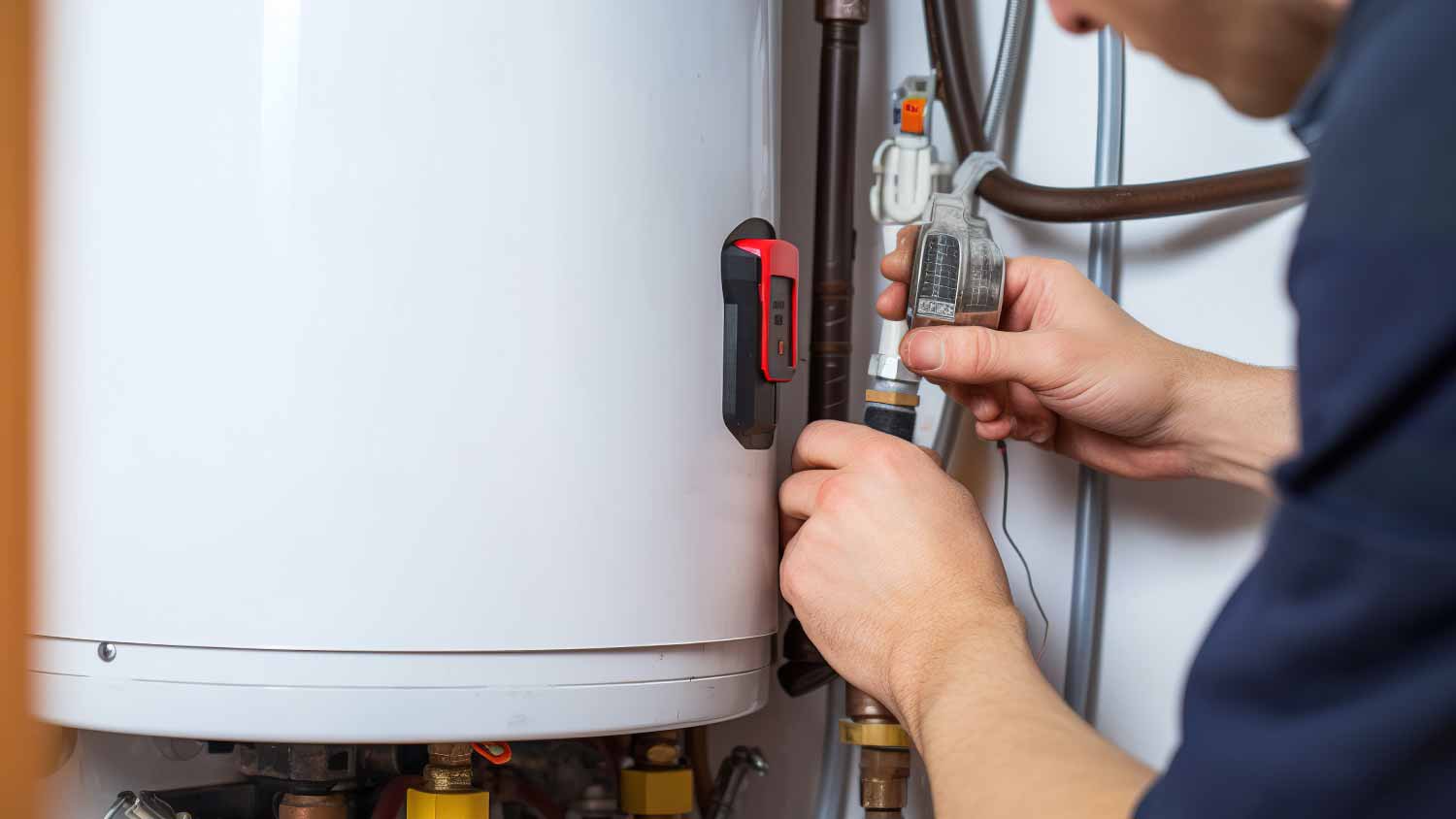
If you’re wondering, “why is my hot water not working”, you’re not alone. In Australian homes, issues with hot water can stem from faulty systems, blocked pipes, or simple electrical or gas malfunctions. Understanding the causes helps you troubleshoot minor problems and know when professional help is needed.
A lack of hot water can disrupt daily routines—from showers to washing dishes—and may indicate underlying issues in your plumbing or hot water system. Both storage and continuous flow systems can experience faults, particularly in older homes or those with hard water conditions.
Common Causes of Hot Water Problems in Australian Homes
Hot water issues can range from no water at all to inconsistent temperatures or reduced flow. Identifying the root cause is key to restoring reliable hot water.
1. Pilot Light or Gas Supply Issues
For gas hot water systems, a blown pilot light or interrupted gas supply is a frequent cause. You may notice:
- No hot water from taps
- Gas odours near the unit
- The pilot light won’t stay lit
Checking the gas supply valve and relighting the pilot (if safe) can resolve minor issues. If the problem persists, a licensed plumber or gas technician should inspect the system.
2. Electrical Problems in Electric Hot Water Systems
Electric hot water systems rely on heating elements and thermostats. Common electrical faults include:
- Tripped circuit breakers or blown fuses
- Faulty thermostats or heating elements
- Wiring issues
If your hot water is completely off, start by checking your home’s switchboard for tripped breakers. Repeated tripping or faulty elements requires professional service.
3. Sediment Build-Up in Storage Tanks
Australian homes with hard water often experience mineral deposits accumulating in storage tanks. Over time, sediment:
- Reduces water volume and flow
- Decreases heating efficiency
- Causes uneven temperatures
Flushing the tank periodically can improve performance, but severe build-up may require tank descaling or replacement.
4. Faulty Tempering Valve
Tempering valves regulate water temperature to prevent scalding. Malfunctioning valves can restrict hot water flow or cause cold water to mix excessively. Signs include:
- Water feels lukewarm even at full hot setting
- Temperature fluctuations during use
A licensed plumber can inspect, adjust, or replace tempering valves to restore consistent hot water.
5. Leaks and Pipe Issues
Leaks in hot water pipes divert heated water before it reaches taps or appliances. Look for:
- Damp patches along hot water lines
- Reduced flow at multiple fixtures
- High water bills without obvious cause
Undetected leaks may damage walls or floors, so prompt professional inspection is recommended.
Hot Water Issues Specific to Different Systems
Storage Tank Systems
Traditional storage tank systems store heated water for use. Common faults include:
- Broken thermostats or heating elements
- Sediment blocking heating coils
- Tank leaks or corrosion
Continuous Flow Systems
Instantaneous or continuous flow systems heat water on demand. Problems may include:
- Gas supply interruptions
- Faulty flow sensors or ignition systems
- Scale build-up in heat exchangers
Australian homes using continuous flow units often require annual servicing to prevent scaling and ensure consistent temperatures.
Quick DIY Checks Before Calling a Plumber
Some simple checks can help identify obvious issues safely:
- Ensure gas supply valves are open for gas units
- Check the circuit breaker for electric systems
- Inspect for visible leaks or damp spots along pipes
- Reset the hot water system if it has a reset button
- Clear showerheads or tap filters from sediment
While these checks can solve minor problems, most persistent hot water issues need professional attention to ensure safety and compliance with Australian plumbing regulations.
When to Call a Professional
Persistent hot water problems, strange noises from the system, or safety concerns require a licensed plumber. Full House Plumbing can diagnose and repair:
- Faulty heating elements, thermostats, or valves
- Leaks in pipes or tanks
- Gas supply or pilot light faults
- Sediment build-up or blocked systems
Licensed plumbers ensure repairs meet Australian standards, restore reliable hot water, and prevent ongoing water wastage or safety hazards.
Benefits of Timely Hot Water Repairs
Fixing your hot water promptly offers several advantages:
- Consistent hot water for showers, dishes, and laundry
- Energy efficiency through properly working systems
- Prevent damage caused by leaks or corrosion
- Compliance with plumbing regulations and safety standards
Conclusion
If you’re asking, “why is my hot water not working”, the cause could range from a simple tripped breaker to more complex mechanical or gas issues. By understanding common faults like faulty heating elements, pilot light problems, sediment build-up, or leaking pipes, you can identify whether a DIY fix is possible or call a professional.
For expert hot water inspections, repairs, or replacements across Australia, Full House Plumbing provides safe, reliable service to restore hot water quickly and efficiently.
FAQs
Why is my hot water not working after a power outage?
A power outage may trip the circuit breaker or reset the system, preventing electric hot water systems from heating properly.
Can sediment in the tank completely stop hot water?
Yes. Significant mineral build-up can block heating elements and reduce water volume, sometimes stopping hot water entirely.
How long does it take for a plumber to fix hot water?
Depending on the fault, repairs can take from 30 minutes for minor adjustments to a few hours for tank or element replacements.
Is it safe to relight a gas hot water system myself?
Only if you are confident and the instructions are clear. Otherwise, call a licensed plumber or gas technician to ensure safety.