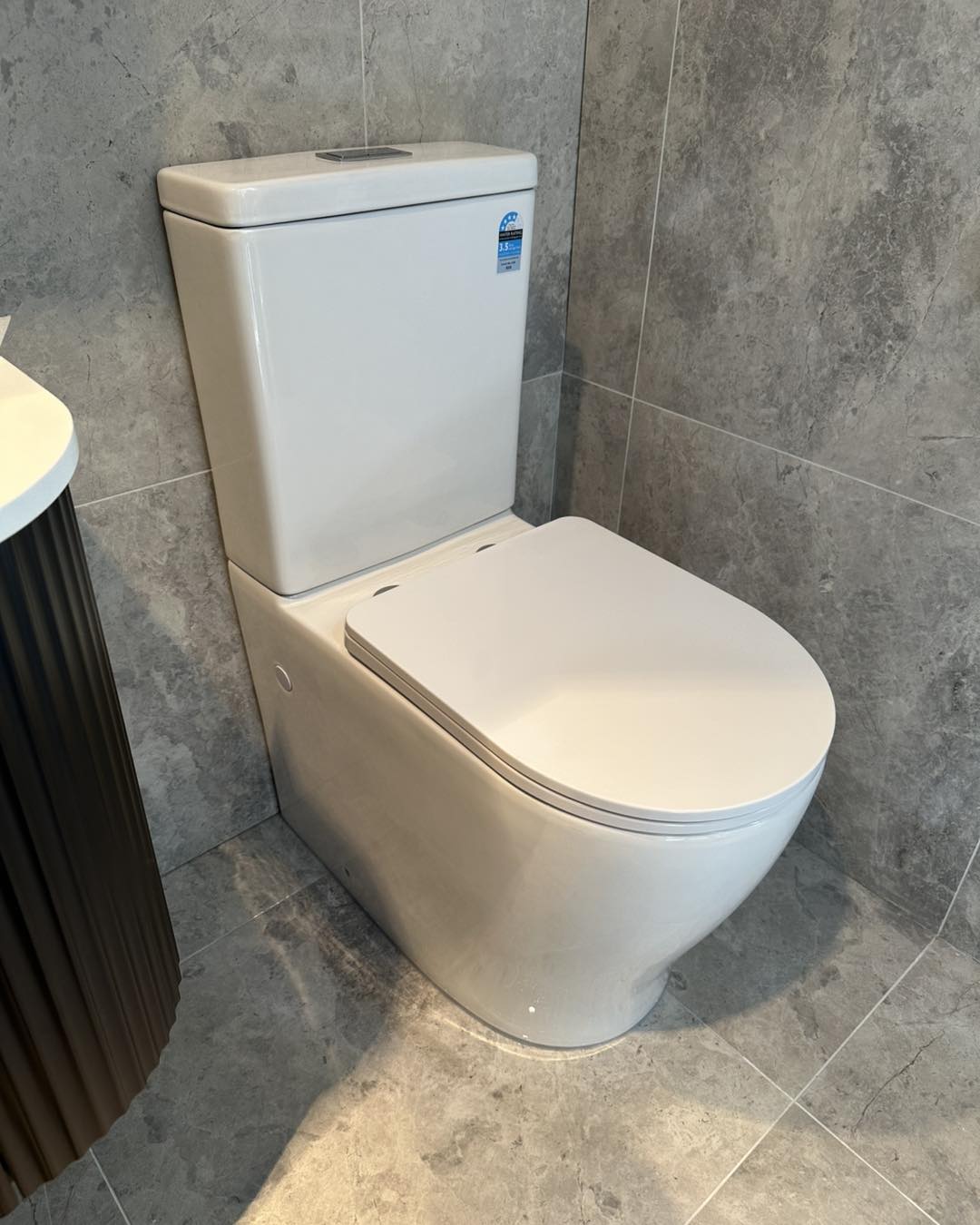
A constantly running toilet can be frustrating, waste water, and increase your bills. If you’re asking, “why is my toilet running”, the issue is often caused by problems within the toilet’s internal components, worn seals, or faulty valves. Understanding the causes can help you troubleshoot minor issues safely or know when to call a licensed plumber.
Many Australian homes, particularly older properties, experience running toilets due to ageing cisterns, hard water deposits, or mechanical wear in toilet mechanisms. While some issues are simple DIY fixes, others require professional expertise to prevent water wastage and potential damage.
What Causes a Toilet to Run Continuously?
Several common problems may be behind a toilet that won’t stop running. Identifying the source is the first step to restoring normal function.
1. Faulty Flapper or Seal
The flapper is a rubber valve at the bottom of the cistern. When it fails to seal properly, water continuously flows into the bowl. Common causes include:
- Warped or worn flapper due to age
- Mineral deposits from hard water
- Misaligned chain or handle
Replacing or adjusting the flapper often solves running toilet problems in Australian homes.
2. Incorrect Float Adjustment
The float controls the water level inside the cistern. If it’s set too high, water may constantly spill into the overflow tube, causing continuous running.
- Check the float arm or ballcock mechanism
- Adjust the float to reduce water level slightly below the overflow line
- Ensure the float moves freely without obstruction
A small adjustment often stops water wastage and restores normal function.
3. Worn Fill Valve
The fill valve (or ballcock) regulates water entering the cistern after a flush. Over time, the valve can wear, become clogged, or fail to shut off completely. Signs include:
- Water running intermittently after each flush
- Constant noise from the cistern
- Overflowing water if the float fails
Replacing the fill valve is usually straightforward and restores proper cistern operation.
4. Leaky or Cracked Cistern
In some cases, the problem may be structural. Cracks in the cistern or damaged seals around connections can cause water to leak continuously into the bowl.
- Check the cistern base and connections
- Inspect the wax or rubber seals around the toilet and tank
- Cracks may require tank replacement rather than a simple repair
How Hard Water Impacts Toilet Function
Australian households with hard water often see increased mineral deposits inside the cistern. Lime scale can cause flappers, fill valves, and flush mechanisms to stick or fail. Regular maintenance, such as cleaning or using descaling solutions, can prevent running toilets caused by hard water deposits.
DIY Checks Before Calling a Plumber
Before arranging professional help, you can perform a few safe checks to identify minor issues:
- Inspect the flapper for wear or misalignment
- Adjust the float to correct the water level
- Clean mineral deposits from the cistern and components
- Ensure the chain is not tangled or too tight
These simple steps can often solve the problem, saving water and avoiding unnecessary service calls.
When to Call a Professional
If your toilet continues running despite basic adjustments, it’s time to contact a licensed plumber. Persistent running toilets may indicate hidden issues such as:
- Faulty internal mechanisms
- Cracks in the cistern
- Water supply line problems
- Complex fill valve faults
Full House Plumbing can inspect your toilet, diagnose the problem accurately, and perform repairs or replacements in compliance with Australian plumbing standards. Professional intervention ensures long-term performance and prevents ongoing water wastage.
Benefits of Prompt Repair
Fixing a running toilet promptly offers multiple advantages:
- Reduced water bills – Continuous running can waste thousands of litres annually.
- Prevent damage – Persistent leaks can cause water damage to floors and surrounding areas.
- Compliance with Australian standards – Licensed plumbers ensure repairs meet safety and plumbing regulations.
- Peace of mind – A fully functioning toilet reduces stress and inconvenience in daily life.
Conclusion
A running toilet may seem minor, but it often signals internal faults that should not be ignored. By understanding common causes like worn flappers, float misalignment, or faulty fill valves, you can perform simple checks or know when to seek professional help.
For expert inspections, repairs, or replacements across Australia, Full House Plumbing provides reliable service to restore your toilet’s performance efficiently and prevent further water waste.
FAQs
Why is my toilet running after every flush?
This is often due to a faulty flapper or misaligned float, which prevents the cistern from sealing properly.
Can I fix a running toilet myself?
Yes, minor issues like adjusting the float, replacing a flapper, or cleaning components can often be handled safely.
How much water does a running toilet waste?
A continuously running toilet can waste thousands of litres per year, depending on flow rate and frequency.
When should I call a plumber for a running toilet?
If adjustments and minor DIY fixes don’t stop the toilet, or if there are cracks, leaks, or persistent issues, professional plumbing is recommended.