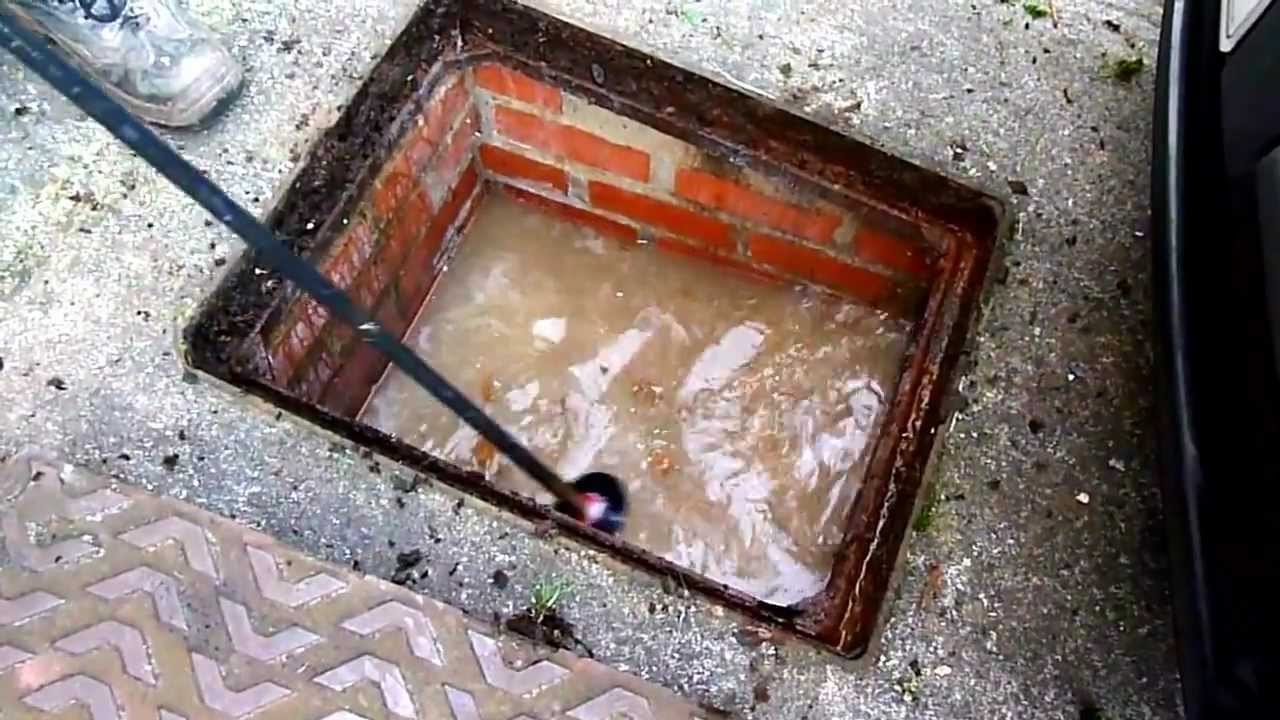
Constantly blocked drains are a common source of frustration in Australian homes. If you’re asking, “why are my drains constantly blocking”, the causes often range from hair and grease build-up to tree root intrusions or pipe damage. Understanding the reasons helps you take preventative action and know when to call a professional plumber.
Blocked drains can disrupt your daily routine, cause unpleasant odours, and even damage your plumbing system if left untreated. Both kitchen and bathroom drains are vulnerable, and older homes or properties with complex plumbing layouts often experience recurring issues.
Common Causes of Frequent Drain Blockages
Drain blockages can appear in various parts of your plumbing system. Identifying the cause is key to stopping repeated blockages.
1. Hair and Soap Build-Up
Bathroom sinks, showers, and bathtub drains frequently block due to hair and soap residue. Over time:
- Hair wraps around pipes and traps soap, creating clogs
- Water flow slows, causing backups and odours
- Frequent minor clogs can develop into complete blockages
Using a drain strainer or regular hair removal can reduce this problem, but stubborn clogs may require professional cleaning.
2. Food, Grease, and Oil in Kitchen Drains
Kitchen sinks are prone to grease accumulation, especially when oil and fat enter the pipes:
- Fats solidify in the pipes, narrowing water flow
- Leftover food particles can get trapped in bends and junctions
- Over time, a partial clog can become a full blockage
Avoid pouring cooking oil or coffee grounds down the sink. Regular flushing with hot water can help, but professional hydro-jetting may be needed for recurring issues.
3. Foreign Objects and Debris
Children’s toys, sanitary products, cotton buds, and other debris can accidentally enter drains, causing persistent blockages:
- Toilets and bathroom sinks are particularly vulnerable
- Even small objects can get stuck in narrow sections of pipework
- Recurring clogs may indicate repeated misuse or accidental flushing
Teaching household members what not to flush or discard down drains can prevent some issues.
4. Tree Root Intrusions
In older properties or homes with garden landscaping, tree roots can invade underground pipes. Signs include:
- Slow drainage in multiple fixtures
- Gurgling sounds from drains
- Frequent blockages despite clearing
Roots can crack or shift pipes, causing ongoing blockages that require professional excavation or pipe relining.
5. Damaged or Collapsed Pipes
Blocked drains may be a symptom of damaged pipes. Causes include:
- Ageing or corroded pipes
- Cracks from ground movement
- Collapsed sections restricting flow
If blockages keep recurring even after professional clearing, a pipe inspection with a CCTV camera can reveal structural problems.
6. Blocked Sewer Lines
Sometimes the problem isn’t just a local sink or shower, but a blockage in the main sewer line:
- Multiple drains in the house back up simultaneously
- Strong odours emanating from floor drains or toilets
- Water may overflow from the lowest point in the home
Mainline blockages often require specialised equipment to clear and prevent further damage.
Simple Preventative Measures
While some issues require professional help, you can reduce the likelihood of recurring blockages:
- Install drain strainers to catch hair and debris
- Dispose of cooking grease and food waste in bins, not sinks
- Avoid flushing sanitary products, wipes, or other non-flushables
- Regularly clean showerheads and sink traps
- Schedule periodic professional drain inspections for older homes
Why Australian Homes Experience Recurring Blockages
Several factors contribute to the frequency of drain blockages in Australia:
- Older properties with outdated or narrow pipe systems
- Hard water causing mineral build-up inside pipes
- Tree-lined suburban gardens with invasive root systems
- Heavy rainfall leading to stormwater backflow
Recognising these risk factors can help you manage maintenance schedules and reduce inconvenience.
When to Call a Professional
If your drains keep blocking despite preventive steps, it’s time to call a licensed plumber. Persistent or multiple blockages may indicate:
- Deep-seated clogs in the main sewer line
- Damaged or collapsed pipes
- Tree root intrusion or significant sediment build-up
- Complex plumbing configurations requiring specialised equipment
Full House Plumbing can inspect your drains using CCTV cameras, perform thorough clearing, and recommend solutions to prevent recurring problems. Professional intervention ensures your drains operate efficiently, preventing water damage and reducing long-term costs.
Benefits of Professional Drain Maintenance
Timely professional drain care provides several advantages:
- Reliable drainage – Reduced blockages and faster water flow
- Early detection – Identify hidden issues before they become emergencies
- Compliance with Australian plumbing standards – Repairs and installations meet regulations
- Peace of mind – Avoid recurring frustrations and potential property damage
Conclusion
If you’ve been asking, “why are my drains constantly blocking”, the cause may range from hair, grease, and debris to tree roots or damaged pipes. Identifying the source early can prevent ongoing frustration and costly repairs.
For expert drain inspections, clearing, and maintenance across Australia, Full House Plumbing provides reliable service, using advanced techniques to restore optimal drainage and prevent recurring blockages.
FAQs
Why are my drains constantly blocking despite clearing them?
Recurring blockages often indicate deeper problems such as tree roots, collapsed pipes, or mainline obstructions.
Can DIY methods permanently fix frequent drain blockages?
Minor blockages can be managed with strainers and cleaning, but persistent or recurring issues require professional intervention.
How can I prevent drains from constantly blocking?
Dispose of grease and food waste properly, use drain strainers, avoid flushing non-flushable items, and schedule regular plumbing inspections.
When should I call a plumber for blocked drains?
Call a licensed plumber if blockages persist, affect multiple fixtures, or if there are signs of leaking, foul odours, or slow drainage throughout your property.