Sewer problems are the stuff of nightmares – a sneaky leak or blocked drain can wreak havoc on your home and sanity. I remember a mate whose yard turned into a mini-swamp because he ignored a gurgling toilet; trust me, it’s cheaper to fix a small issue early than pay for a mini lagoon later.
In Macarthur (Campbelltown, Camden, Wollondilly) our clay soils and tree roots mean sewer lines can be temperamental. This guide will help you spot the warning signs, understand likely fixes, and plan your budget so you’re never caught off-guard.
Spotting Sewer Trouble Early
So, how do you know your sewer might be in trouble? Keep an ear and nose out for clues. Unusual gurgling or slow drains – especially if multiple sinks, toilets or showers back up at once – often mean a main sewer line issue, not just a stubby drain snake problem.
If you notice a foul, sewage-like smell in the yard or home (like rotten eggs, for example), that’s a red flag that gas is escaping through a crack or displaced pipe seal. Patches of unusually lush grass, or soggy areas in the lawn or near the street drain, can mean a hidden leak. Even things like bilgewater around the backyard or lower-than-normal toilets after flushing elsewhere on the property can hint at a partial collapse or blockage.
In short, if the problem isn’t isolated to one appliance – if it’s backyard rivers or systemic clogs – don’t shrug it off as a fluke. Recurring blockages or sewage back-ups in several drains tell you the main line is the culprit. And remember, like ignoring a car’s oil light, leaving sewer trouble alone only makes things worse (and stinks up more than your weekend BBQ).
At the first whiff of trouble, get your kit ready and consider calling a pro. If sewage is backing up or flooding, you’ll need emergency sewer repair services that dispatch fast – think a plumber on speed-dial to save your backyard from becoming a boggy mess.
Common Causes of Sewer Issues in Macarthur
Why do sewers give us grief in Macarthur? A big culprit is tree roots. Our Aussie gums, figs and poplars love moisture and can grow through old clay pipe joints, causing cracks and blockages. Other culprits include flushable wipes, feminine products, grease – anything thick enough to bunch up.
Earth movements from wet-dry cycles can shift poorly laid pipes, and heavy vehicles or construction nearby can literally crush a sewer line. Occasionally, materials like ceramic or plastic pipes simply age and fail after 50+ years.
Remember, if the line is under a Council footpath or road, the Council may cover major breaks, but most often homeowners are on the hook for private pipes. Sydney Water clarifies that if the blockage or damage is in your property’s drain pipe (up to where it meets the main sewer at the boundary), you’re responsible for fixing it. Any blockage beyond your boundary – like the main line under the street – is usually Sydney Water’s job.
In practice, call a licensed plumber to check. They’ll run a camera inspection to pinpoint roots, cracks or collapsed sections and then advise whether a fix is needed on your side or theirs.
Quick Solutions and Repair Methods
Once we know what’s wrong, how do we fix it? For minor blockages (like stubborn roots or grease), plumbers often start with rodding and high-pressure jetting. A mechanical snake or high-flow water jet can cut through roots and flush debris. This might be all you need if the pipe itself is intact. Chemical root treatments (enzymes or foams) can help prevent regrowth, too. But these are usually temporary fixes; if roots keep coming back, the pipe itself may need attention.
That brings us to more permanent repairs. Nowadays trenchless relining is popular in Sydney. It avoids digging up your backyard. The plumber snags a resin-saturated liner and snakes it through the old pipe – when inflated and cured, it forms a new, seamless pipe inside the cracked one.
Relining typically costs a few hundred dollars per meter (often totalling $4,000–$12,000 for a home), but saves on restoration costs and headache. It can add decades to an old pipe’s life. The catch: the pipe must be mostly intact and not completely collapsed to hold the liner.
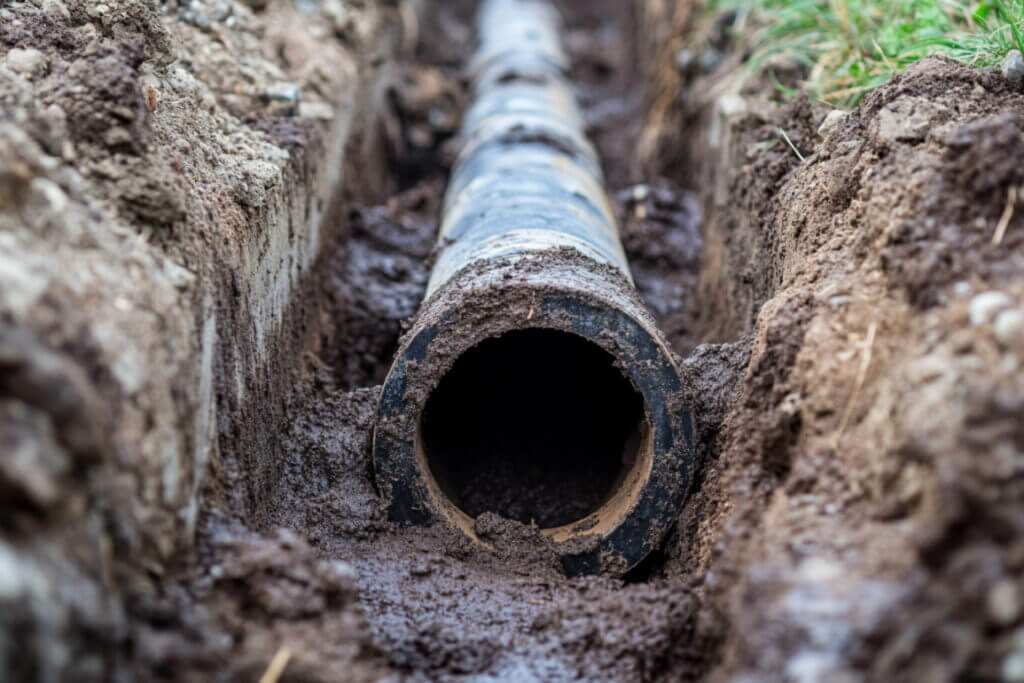
When relining isn’t possible (for example, in a totally collapsed pipe or very crooked joints), the alternative is a traditional excavation and repair. A plumber will dig down, cut out the bad section and install new pipe.
Expect a spot-repair (digging a few meters) to run from a couple thousand bucks, whereas replacing an entire sewer run (especially deep under concrete or road) could be in the high five figures ($8,000–$25,000). Obviously, that’s why we don’t procrastinate!
In any case, a CCTV sewer inspection is wise first step. It typically costs around $250–$500, but it shows exactly what’s wrong and where, so you can budget properly and choose the right fix. I always tell mates: pay for the camera up front, and you might save twice that by avoiding unnecessary digging. Plus, regular inspections (every 3-5 years) help catch trouble early, saving emergency repair bills later.
Cost Guide: What You Might Pay
Below is a handy table of typical sewer repair tasks and rough cost ranges in NSW. (Keep in mind costs vary with access, material, and urgency – emergency call-outs or after-hours work can be 1.5–2× higher.)
| Sewer Repair Task | Typical Cost Range (AUD) |
|---|---|
| CCTV camera inspection | $250 – $500 |
| Root cutting or minor mechanical clearing | $300 – $600 (per blockage) |
| High-pressure hydro-jetting | $350 – $700 (per blockage) |
| Chemical root treatment | $100 – $250 (per application) |
| Partial pipe relining | $400 – $700 per meter (min. ~$2–3k) |
| Full sewer relining (residential) | ~$4,000 – $12,000 (house-length) |
| Excavation & section replacement | $1,500 – $4,000 (shallow, localized) |
| Complete sewer replacement | $8,000 – $25,000+ (full dig, deep) |
| Emergency sewer clearing (call-out) | $300 – $600 plus emergency surcharge |
Even the most elaborate trenchless reline (fast and neat) often costs far less than a big dig-up if you factor in having to restore concrete, driveways or lawn afterwards. And speaking of restoration, remember to budget for repaving or landscaping – sometimes the bill for replacing footpaths or lawns can exceed the plumbing work itself.
Permits, Regulations & Responsibility
Down under, plumbing is highly regulated. Any sewer work should be done by a licensed plumber – it’s illegal (and dangerous) to DIY major sewer repairs. Plumbers typically submit a Notice of Work to NSW Fair Trading before major jobs.
For work on pipes under roads or footpaths, the local council (like Campbelltown or Wollondilly) may require permits and inspections. If your plumber digs up a council strip, you might need a bond for reinstatement.
Sydney Water also keeps an eye on things. Any repairs near or affecting the public mains often need their approval. For example, if you end up touching the connection point at the property boundary, Sydney Water must inspect or certify the fix. In practice, your plumber will tell you if the job needs extra notices.
One handy tip: Keep records! If you end up in a dispute (say you paid for a plumber who dug up their line), NSW guidelines allow you to claim reimbursements if Sydney Water confirms the blockage was in their pipe.
But you have to report it through the proper channel (13 20 90) and hold onto invoices. It’s one of those details few homeowners think about – but I mention it because the State actually has a whole Wastewater Blockages page explaining who pays for what.
Preventing Future Blockages
Once your sewer is fixed, prevention is key. Avoid flushing anything but toilet paper and human waste. Don’t pour cooking oil or grease down drains (it solidifies and gunk builds up quickly). Clean grease traps and use drain strainers in the kitchen and showers to catch hair or food.
If you have trees, keep them trimmed and avoid planting large-rooted trees near sewer lines; even a friendly gum can send roots towards a pipe crack. Some people install backflow valves to prevent sewage surges from flooding the house if the main backs up, which is handy in flat areas of Macarthur.
Regular maintenance helps: scheduling a hydro-jet flush every few years (or before long holidays) can clear out early debris. Like servicing your car, a little upkeep goes a long way – it’s usually cheaper and less urgent to plan a morning inspection than pay for a midnight emergency call-out.
Conclusion
Nobody wants to think about poo plumbing problems, but dealing early saves big headaches (and stink bombs) later. By watching for the warning signs – slow drains, gurgling toilets, sewage smells – and acting quickly, you can keep things flowing smoothly.
Repairs in Macarthur can range from a few hundred dollars for simple unclogging to over ten grand for major excavations, so get multiple quotes and ask for CCTV evidence when in doubt. Remember, local pros understand our soils and roots, and even state bodies like Sydney Water say if the issue is on your side of the sewer, it’s your job to fix it safely.
Take action at the first sign of trouble. Don’t let a minor leak turn into a major disaster – you have the power to stop it. Get on the blower, call a trusted local plumber, and restore your peace of mind. Stay ahead of the problem, and your home will reward you with years of hassle-free flushing.
Ready to tackle that sewer issue? Don’t wait until it’s an emergency. Call a qualified Macarthur plumber today to diagnose and fix the problem for good. Your home (and nose) will thank you!
FAQs
What are the most common causes of sewer line problems?
The usual suspects in Macarthur are tree root intrusion, ageing clay pipes, and flushing inappropriate items (wipes, grease, etc). Roots from large trees can grow through old pipe joints. Pipe corrosion or joint separation can crack lines. Heavy rains or ground movement can also shift or collapse pipes.
How do I know if I need professional sewer repair?
Watch for multiple slow drains (e.g. shower AND toilet problems), foul sewage odors, sewage in yard, or gurgling sounds in pipes. If simple plunging or cleaning drains at home doesn’t fix the issue, you likely have a deeper sewer problem. Continuous backups or visible sewage always warrant a licensed plumber’s assessment.
How much can sewer repairs cost in Macarthur?
Costs vary widely. Small jobs like a simple blockage clearance or root cut often run $300–$700. Standard sewer relining jobs (no-dig) might be $4,000–$12,000 for a typical suburban house. Full excavations or complete line replacements could reach $10,000–$25,000+, depending on depth and complexity. Getting a CCTV inspection (around $250–$500) is a smart first step to get an accurate quote.
What’s the difference between pipe relining and replacement?
Relining (trenchless) means installing a new pipe “within” the old one without digging. It’s fast, cheaper in terms of yard restoration, and works if the existing pipe isn’t fully collapsed. Replacement is traditional digging out the old pipe and laying a new one. Replacement is necessary for collapsed or badly broken pipes. Relining is usually less disruptive and often preferable if conditions allow.