A cold shower has a special talent for ruining your morning. One minute you’re half-awake, thinking about coffee, work, and traffic on Narellan Road. The next minute, your hot water disappears like it had better plans. Not dramatic? Maybe. Annoying? Absolutely.
If your system keeps playing games, you may need more than a quick repair. Hot Water System Replacement can feel like one of those “adulting” jobs nobody wants to deal with, but I promise it does not have to feel confusing. Once you know the warning signs, cost factors, and replacement process, you can make a smart call without panic-buying the first tank you see.
For local homeowners, choosing the right help matters just as much as choosing the right unit. If your current system leaks, runs cold too fast, or costs too much to run, speaking with Hot Water System Replacement experts in Macarthur can help you understand your options and avoid a rushed decision.
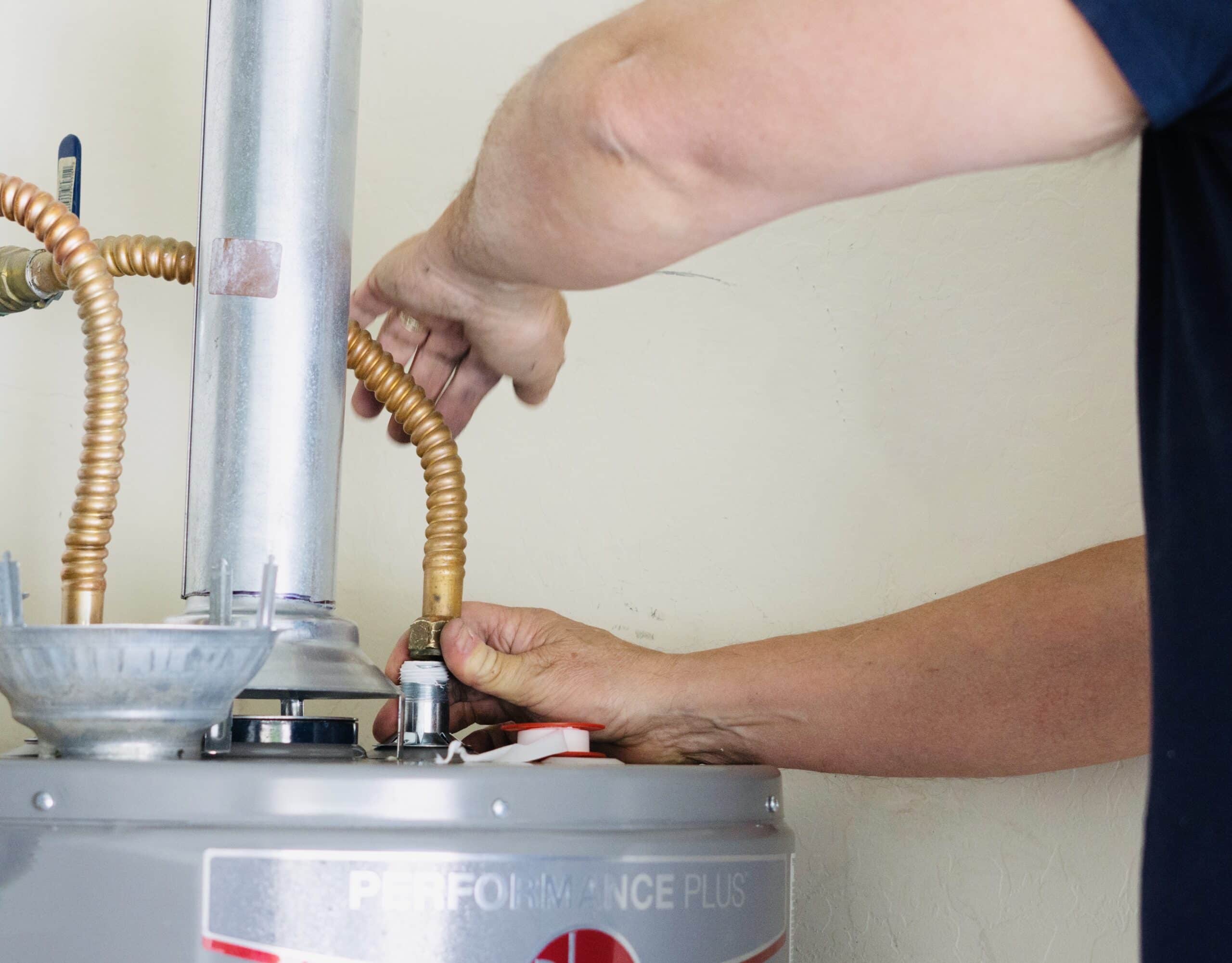
Insert image of a modern hot water system installed outside a Macarthur home here.
Why Hot Water System Replacement Matters More Than You Think
Hot water sits quietly in the background of your home. You shower with it, wash dishes with it, clean clothes with it, and only truly appreciate it when it vanishes.
A tired system can waste energy, increase bills, damage nearby walls or flooring, and leave you with patchy water temperature. In some homes, an old unit also struggles to keep up with modern use. More people work from home, families run more laundry loads, and everyone seems to need a shower at the exact same time. Classic household theatre.
Hot Water System Replacement gives you a chance to fix the problem properly. Instead of paying for repeat repairs on an ageing unit, you can upgrade to a system that suits your home, lifestyle, and budget.
In Macarthur, many homes use electric storage, gas storage, continuous flow gas, solar, or heat pump systems. Each option has its own strengths. The best choice depends on how many people live in the home, how much hot water you use, your available space, energy setup, and long-term running costs.
Clear Signs You Need Hot Water System Replacement
Some systems fail loudly. Others give you quiet hints for months before they finally wave the white flag. If you spot the signs early, you can plan the replacement rather than deal with an icy emergency.
Here are the common warning signs:
• Your hot water runs out too quickly
• The water temperature keeps changing
• You see rust-coloured or cloudy hot water
• The system makes banging, popping, or rumbling noises
• Water leaks from the tank, valves, or nearby pipework
• Your energy bill keeps climbing for no clear reason
• The pilot light on a gas unit keeps going out
• The unit needs frequent repairs
• The system looks rusty, swollen, or badly worn
• Your hot water smells odd or metallic
A single issue does not always mean you need Hot Water System Replacement. For example, a faulty valve or thermostat may cause trouble. However, when problems stack up, replacement often makes better financial sense.
Think of it like an old car. One flat tyre? Easy fix. Constant breakdowns, smoke from the bonnet, and a strange noise every Tuesday? Time to stop pretending it has “character”.
Repair or Replace? How to Make the Right Call
Before you replace your system, ask one simple question: “Will this repair buy me years of reliable hot water, or just a few more months?”
If your system is fairly new and the fault looks minor, repair may suit you. A licensed plumber can check the valves, thermostat, heating element, anode, pressure relief valve, gas supply, and general condition.
However, Hot Water System Replacement usually makes sense when:
• The tank has started leaking
• The unit has reached the end of its expected life
• Repair costs look high compared with replacement
• The system no longer suits your household size
• Your energy bills keep rising
• You want a more efficient option
• Parts have become difficult or expensive to source
For safety and compliance, always use a properly licensed tradesperson for plumbing, draining, and gasfitting work in NSW. You can check NSW licence requirements through the government’s plumbing, draining and gasfitting information.
That one check can save you from dodgy workmanship, unsafe installation, and the kind of “cheap job” that becomes expensive by lunchtime.
Hot Water System Replacement Costs in Macarthur
Let’s talk money. Hot Water System Replacement costs vary because every home has different needs. The price depends on the unit type, size, brand, installation complexity, access, plumbing changes, electrical or gas work, disposal, and any upgrades needed to meet current standards.
Here is a simple cost guide:
| System Type | Common Use | Approximate Cost Range Installed | Best For |
| Electric storage | Simple, common household use | $1,200–$2,500+ | Smaller homes, budget installs |
| Gas storage | Fast recovery and steady supply | $1,700–$3,500+ | Homes with gas connection |
| Gas continuous flow | Hot water on demand | $2,000–$4,500+ | Busy households, space-saving setups |
| Heat pump | Energy-efficient electric option | $2,500–$5,500+ | Lower running costs over time |
| Solar hot water | Uses roof panels and booster | $4,000–$8,000+ | Homes with good sun exposure |
These figures give a general guide only. Your final quote may change if the plumber needs to relocate the unit, upgrade pipework, add tempering valves, adjust drainage, improve ventilation, or organise extra electrical work.
I always suggest looking beyond the sticker price. A cheaper unit may cost less today but more each quarter on bills. A more efficient system may cost more upfront but save money over time. That is where the real maths lives.
What Affects the Final Replacement Price?
Hot Water System Replacement does not follow a one-size-fits-all price tag. Several factors shape the final cost.
1. System Size
A single person in a townhouse does not need the same setup as a family of five with two bathrooms and a laundry that never sleeps.
Common storage sizes include 125L, 160L, 250L, 315L, and larger. Continuous flow systems use flow rate instead of tank size. Your plumber can match the size to your shower count, household habits, and peak usage.
2. Energy Type
Electric, gas, solar, and heat pump systems all carry different upfront and running costs. Gas continuous flow often suits homes that already have natural gas. Heat pumps attract attention because they use less electricity than traditional electric storage systems.
3. Installation Access
A neat outdoor unit with easy access usually costs less to replace than a system tucked inside a tight cupboard, roof space, or awkward corner. If the plumber needs extra labour or equipment, costs can rise.
4. Like-for-Like vs Upgrade
Replacing an old electric unit with a similar electric model usually keeps the job simpler. Switching from electric to gas, storage to continuous flow, or standard electric to heat pump may involve extra plumbing, power, drainage, or gas work.
5. Emergency Callouts
When your system fails at night, on a weekend, or before guests arrive, urgent service may cost more. That said, I understand the panic. No one wants to host family with cold showers and a kettle-based dishwashing strategy.
Insert image of a plumber inspecting a leaking hot water system here.
Best Hot Water System Options for Macarthur Homes
Macarthur homes vary a lot. You have older houses, newer estates, duplexes, townhouses, and growing family homes. Your best system depends on how you live, not just what looks good in a brochure.
Electric Storage Hot Water Systems
Electric storage units suit many homes because they cost less upfront and work with simple setups. They store hot water in a tank and keep it ready for use.
Pros:
• Lower upfront cost
• Simple technology
• Easy replacement in many homes
• Good for smaller households
Cons:
• Higher running costs compared with efficient options
• Hot water can run out if the tank size falls short
• Larger tanks need more space
Gas Hot Water Systems
Gas systems heat water quickly and work well for households with strong hot water demand. You can choose gas storage or continuous flow.
Pros:
• Fast heating
• Great for busy households
• Continuous flow models save space
• Good water supply when sized correctly
Cons:
• Needs gas connection
• Installation may cost more if pipework needs upgrades
• Outdoor placement and ventilation matter
Heat Pump Hot Water Systems
Heat pump systems have become popular with homeowners who want better energy efficiency. They pull heat from the surrounding air and use it to heat water.
Pros:
• Lower running costs than standard electric systems
• Good option for energy-conscious homes
• Works well in many Australian climates
• May qualify for incentives depending on current programs and eligibility
Cons:
• Higher upfront cost
• Needs suitable outdoor space and airflow
• Some units create operational noise
Solar Hot Water Systems
Solar hot water can suit homes with good roof space and sun exposure. A booster helps during cloudy weather or heavy use.
Pros:
• Uses free energy from the sun
• Can reduce long-term energy bills
• Good for larger households with suitable roof space
Cons:
• Higher upfront cost
• Roof position matters
• Maintenance can involve more components
Quick Comparison: Which System Suits You?
| Your Situation | Suitable Option | Why It Works |
| You want a budget-friendly replacement | Electric storage | Lower upfront cost and simple install |
| You have natural gas and high usage | Gas continuous flow | Strong supply and compact design |
| You want lower running costs | Heat pump | Efficient operation for daily use |
| You have roof space and strong sun | Solar hot water | Good long-term energy savings |
| You have a large family | Gas continuous flow or large heat pump | Better performance during peak use |
| You live in a smaller home | Electric storage or compact gas unit | Practical and space-conscious |
This table gives a starting point, not a final answer. A proper site check gives you the most accurate recommendation.
What to Expect During Hot Water System Replacement
Good news: Hot Water System Replacement usually feels much simpler than people expect.
Here is how the process often works:
1. Inspection and Advice
A plumber checks your current system, hot water usage, space, pipework, energy connection, and safety requirements.
2. Quote and System Selection
You receive options based on your needs. A good quote explains the system type, size, labour, disposal, and any extra work.
3. Old System Removal
The plumber disconnects the old unit safely, drains it, and removes it from the property.
4. New System Installation
The plumber installs the new unit, connects pipework, checks valves, handles gas or electrical requirements, and makes sure the setup meets standards.
5. Testing and Handover
The plumber tests water temperature, pressure, leaks, and general operation. You should also get basic guidance on using and maintaining the new system.
Most standard replacements can happen within a day, depending on the job. More complex upgrades may need extra time, especially if you change system types.
How to Prepare Before the Plumber Arrives
You do not need to roll out a red carpet, but a little prep helps.
Before your Hot Water System Replacement appointment:
• Clear access around the current system
• Move bins, bikes, boxes, or garden gear out of the way
• Keep pets secure
• Check where your switchboard or gas meter sits
• Ask about water shut-off timing
• Take photos of the current unit label if you can
• Share any hot water problems you have noticed
That last point matters. Tell the plumber if your showers run cold after five minutes, the water smells odd, or the unit only misbehaves at night. Small details often point to the right solution.
Mistakes to Avoid When Replacing a Hot Water System
Hot water systems look simple from the outside, but a bad choice can annoy you for years.
Avoid these common mistakes:
• Choosing the cheapest system without checking running costs
• Replacing with the same size even though your household has grown
• Ignoring energy efficiency
• Hiring unlicensed installers
• Forgetting about future renovations or extra bathrooms
• Picking a system that does not fit your space
• Waiting until the old unit fully fails
I get why people delay it. Hot Water System Replacement does not feel as exciting as a new sofa, a weekend away, or a shiny espresso machine. But when your hot water works perfectly every morning, you feel the value immediately.
How Long Should a Hot Water System Last?
Lifespan depends on system type, water quality, usage, maintenance, installation quality, and brand.
As a rough guide:
| System Type | Typical Lifespan |
| Electric storage | 8–12 years |
| Gas storage | 8–12 years |
| Gas continuous flow | 10–15+ years |
| Heat pump | 10–15 years |
| Solar hot water | 10–20 years, depending on components |
If your system sits near or beyond these ranges and starts showing problems, start planning. You do not have to replace it immediately, but you should avoid waiting for a full breakdown.
Smart Maintenance Tips After Replacement
Once you install the new system, give it a little care. You do not need to become a hot water scholar. Just follow a few good habits.
• Check for leaks every few months
• Keep the area around the unit clear
• Listen for strange noises
• Book servicing as recommended by the manufacturer
• Ask a plumber to check valves during maintenance
• Watch for sudden changes in water temperature
• Keep warranty details and manuals handy
A little attention helps your system last longer and perform better. Think of it as skincare for your plumbing. Not glamorous, but surprisingly useful.
Conclusion
Hot Water System Replacement can feel like a hassle at first, but it gives you a cleaner, safer, and more reliable home setup. When you understand the warning signs, compare your system options, and choose the right size for your household, you make a smarter decision.
In Macarthur, your hot water system works hard behind the scenes. It handles early showers, late-night dishes, muddy sports uniforms, and weekend laundry marathons. So when it starts failing, do not ignore the signs.
If your hot water system leaks, runs cold too quickly, or keeps costing you money, book a local inspection and get clear replacement advice before the next cold shower makes the decision for you.
Frequently Asked Questions
1. How do I know if I need Hot Water System Replacement?
You may need Hot Water System Replacement if your unit leaks, produces rusty water, runs out too fast, makes strange noises, or needs frequent repairs. If your system is old and unreliable, replacement often gives better value than another repair.
2. How much does Hot Water System Replacement cost in Macarthur?
Hot Water System Replacement in Macarthur can cost from around $1,200 for a basic electric storage unit to $8,000+ for larger solar systems. The final price depends on the unit type, size, installation access, labour, and any plumbing, gas, or electrical upgrades.
3. Can I replace my hot water system with a different type?
Yes, you can switch system types. Many homeowners upgrade from electric storage to gas continuous flow, heat pump, or solar. Your plumber needs to check your space, energy connection, drainage, and installation requirements first.
4. How long does a hot water replacement take?
Many standard replacements take one day. A more complex upgrade may take longer if you need new pipework, gas changes, electrical work, or relocation.
5. What size hot water system do I need?
The right size depends on your household size, number of bathrooms, shower habits, laundry use, and peak demand. A couple may suit a smaller unit, while a larger family may need a bigger storage tank or continuous flow system.
6. Should I choose gas, electric, solar, or heat pump?
Choose based on your budget, home setup, energy connection, and long-term running costs. Electric storage suits simple installs. Gas suits high-demand homes with gas access. Heat pumps suit energy-conscious households. Solar suits homes with good sun and roof space.
7. Can I install a hot water system myself?
No, you should use a licensed plumber, and gas or electrical work may need qualified trades as well. Proper installation protects your home, warranty, and safety.
8. Why does my hot water run out so quickly?
Your tank may be too small, the heating element may fail, the thermostat may act up, or sediment may build up inside the tank. If the unit is old, Hot Water System Replacement may solve the issue better than another short-term repair.
9. Is a heat pump hot water system worth it?
A heat pump can suit many Macarthur homes because it uses energy more efficiently than a standard electric storage system. It may cost more upfront, but lower running costs can make it appealing over time.
10. What should I ask before booking a Hot Water System Replacement?
Ask about system size, brand, warranty, installation inclusions, removal of the old unit, labour costs, compliance, expected running costs, and whether your home needs extra plumbing, gas, or electrical work.