Ever turned on your tap and watched the water pool instead of flow? I’ve been there again and again, as both a homeowner and a plumber in Macarthur. Blocked drains can strike unexpectedly, turning an ordinary day into a plumbing nightmare. Whether it’s the shower backing up or the kitchen sink refusing to drain, these blockages demand a quick solution.
Don’t panic, we’re going to cover everything you need to know about blocked drains in Macarthur: what causes them, the warning signs, how much it might cost to clear them, and how to fix them (sometimes with a little DIY magic, and sometimes by calling in the pros).
Imagine, you flush the toilet, and it burbles ominously no pleasant flush, just a murky gurgle. Your sink starts draining slower than a koala climbing a gum tree. These red flags mean a blockage is brewing.
Over the years I’ve tackled every sort of clog from hairs and grease to root intruders and let me tell you, they can be as stubborn as a mule. If DIY tricks like plunging or baking soda haven’t worked, call in Expert Plumbers for Blocked Drains Macarthur who can sort it out fast. They’ll have special gear (and know-how) to restore flow without flooding your home.
What Causes Blocked Drains?
Clogs are sneaky, and their causes are pretty universal. In Macarthur homes, the usual suspects include:
– Grease and Fat: Pour leftover cooking oil or bacon fat down the drain and it cools into gunk, trapping bits of food and sludge.
– Hair and Soap Scum: Long showers are bliss, until clumps of hair snag soap residue and slow down your shower or basin drain.
– Foreign Objects: Little hands (or pets) can drop toys, cotton swabs, or even pet toys into the loo or sink. Flushable wipes? Not so flushable.
– Tree Roots: Our leafy Macarthur gardens look great, but tree roots will burrow into old pipes searching for water. This is a classic cause of major sewer blockages.
– Broken Pipes: Older homes might have cracked or collapsed pipes that catch debris over time.
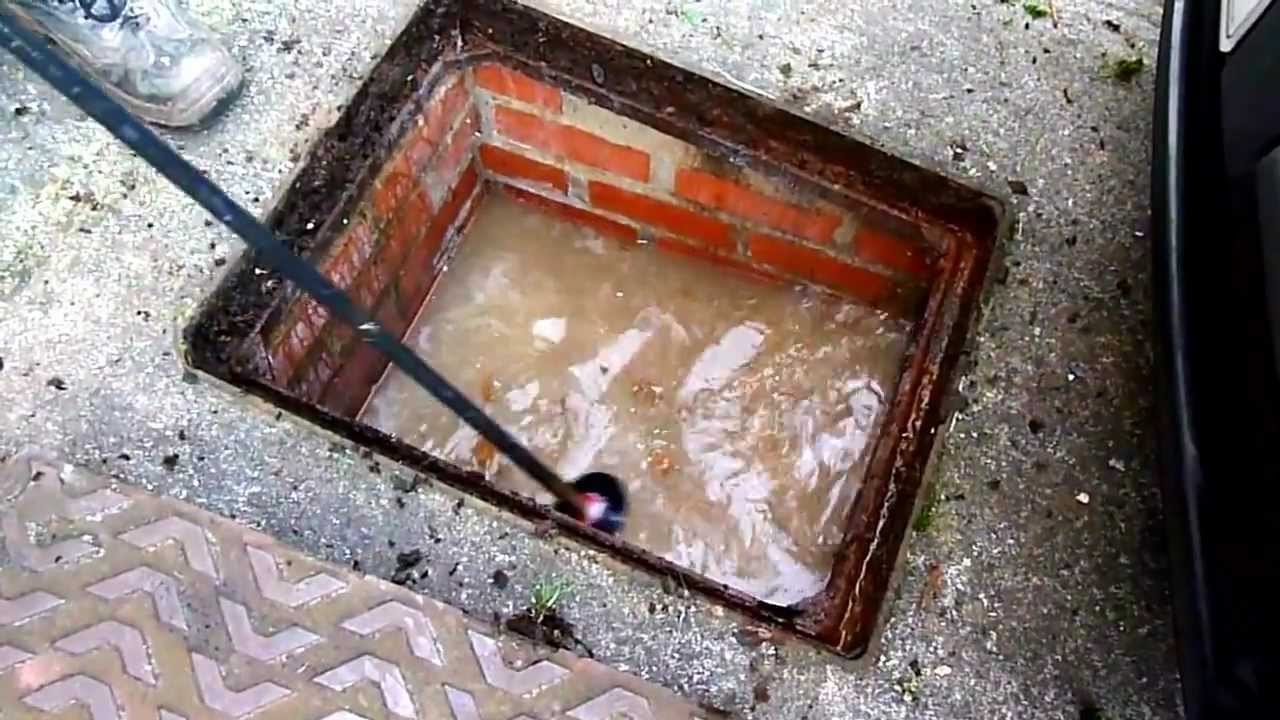
– External Debris: Leaves, dirt, and litter can clog outdoor stormwater drains, especially after heavy rain.
In short, anything that doesn’t belong in the plumbing can pile up and stop the flow. If you suspect your drain is seriously clogged, it’s often smarter to call Reliable Plumber rather than risk making the problem worse with chemicals or improvised tools.
Signs Your Drains Are Blocked
Knowing the warning signs is key to catching clogs early. Look out for:
– Slow Draining: Water that gathers in the sink, shower, or bath takes forever to empty. A sluggish drain is often the first sign.
– Gurgling Sounds: Bubbles or gurgles when you flush or drain water is air being trapped by a blockage. That ominous gurgle is plumbing for “there’s a clog down here!”
– Bad Odors: Foul smells rising from a drain mean trapped food, hair, or sewage. If your kitchen or bathroom smells off even after cleaning, assume a clog is brewing.
– Overflow or Backflow: The worst case water comes back up (or overflowing) when you flush or run taps. This is a sure sign your drain is clogged solid.
– Multiple Blockages: If the toilet, sink, and shower all start acting up at the same time, it’s likely a main sewer line blockage (not just an isolated drain).
Keep an eye on these symptoms. Catching a blockage early (like noticing your shower draining slower each day) can save you a lot of hassle (and $$$) later on.
Fast Fixes for Blocked Drains
First, don’t despair, some clogs can be cleared without a plumber. Here are quick steps you can try:
– Plunger: Give it a good plunge. A quality rubber plunger can dislodge many bathroom and kitchen clogs (I recommend a bellows-style plunger for toilets). Make sure to cover any overflow holes and pump vigorously.
– Baking Soda and Vinegar: For minor gunk, pour half a cup of baking soda down the drain, then half a cup of white vinegar. Let it fizz for 30 minutes, then flush with hot water. This natural combo can break down grease and soap scum.
– Drain Snake (Auger): A manual drain snake can reach deeper clogs. Insert it into the drain and twist to catch the blockage. Be gentle on older pipes to avoid damage.
– Hot Water Flush: For grease build-up, boiling water (slowly poured) can melt fat clogs. Do this cautiously to avoid scalding.
– Enzyme Cleaners: If you prefer chemical help, use an enzyme-based cleaner (bio-friendly). These eat organic clogs without the pipe-harm caused by strong acids.
– CCTV Inspection: You probably won’t have this at home, but know that professionals often use a CCTV camera to pinpoint stubborn clogs (especially deep sewer ones).
However, some stubborn clogs require professional muscle. If you’ve tried the above and the problem persists, it’s time to call a pro. In New South Wales, Sydney Water’s guidelines make it clear that clearing blockages in your private drains (up to the connection to the main sewer) is the homeowner’s responsibility. That means if your drain’s blocked, you need it sorted.
Licensed plumbers have specialized gear like electric drain snakes and hydro-jetting machines that clear even the nastiest tree roots and solid clogs. They can also replace damaged pipe sections safely. In short, don’t force it: engage a local drain expert and get your pipes flowing the right way, fast.
Cost Considerations
Wondering what it might cost to clear a blocked drain? Prices vary, but here’s a ballpark: A simple kitchen or bathroom drain unclog can cost anywhere from $100 to $300 in Australia, depending on severity.
If you need emergency service (like after-hours or flooding), you might pay an extra callout fee (often $100–$200). Deeper blockages (like a main sewer line or extensive root removal) can run $300-$600 or more. Here’s a quick reference:
| Blocked Drain Type | Typical DIY Fix | Pro Method | Approx Cost (AUD) |
|---|---|---|---|
| Kitchen sink (grease clog) | Plunger, hot water | Drain snake or hydro-jet | $100 – $200 |
| Bathroom sink / shower | Snake or vinegar + baking soda | Drain snake (electric eel) | $100 – $200 |
| Toilet (non-flushables) | Plunger, toilet auger | Drain snake | $100 – $200 |
| Stormwater drain (outdoor) | Garden hose flush (if accessible) | Excavation or hydro-jet | $275 – $375 |
| Main sewer line (roots) | Not DIY | Hydro-jetting or pipe relining | $385 – $600+ |
Keep in min these are rough figures for the Sydney/Macarthur region. Rates vary by plumber, time of day, and how deep the work is. Always get a quote up front. Trying to save a few bucks with harsh chemicals or random tools might turn a small fix into a major renovation (and cost you thousands).
Conclusion
Blocked drains might be a pain, but they’re fixable and usually cheaper to address early. When you notice the first sign of trouble (gurgling, slow drains, weird smells), take action. Try simple DIY fixes for minor clogs, but when things get serious, trust the experts.
In Macarthur, Expert Plumbers for Blocked Drains Macarthur are just a phone call away to clear blockages safely and quickly. So don’t let a clogged drain ruin your day, get it sorted now and your house will be running smoothly again in no time.
Don’t wait for a flood if a blocked drain has you in a bind, give us a call or book a fast, friendly service today. Your Macarthur home (and nose) will thank you for it!
Frequently Asked Questions
Q: What is the most common cause of blocked drains?
A: Hair in shower drains and grease buildup in kitchen sinks top the list. Small debris like soap, food scraps, and wet wipes can also create stubborn clogs, especially when they accumulate over time.
Q: How can I tell if my drains are blocked vs. slow?
A: Slow draining water is a warning sign: sinks, tubs, or toilets that empty very slowly usually mean a partial blockage. If water starts backing up or making gurgling noises, that indicates a serious clog.
Q: Can I fix a blocked drain myself?
A: You can try basic fixes like plunging, hot water, or a drain snake for minor clogs. But if those don’t work quickly, it’s best to call a licensed plumber. Persisting clogs often need professional equipment (like hydro-jetting) to avoid damage.
Q: How much does a plumber charge to clear a blocked drain in Macarthur?
A: It varies by job size. Typically, unclogging a simple sink or toilet drain might cost a couple of hundred dollars. A large sewer line blockage (especially from tree roots) can cost several hundred or more. Get a quote first!
Q: What should I do to avoid pouring down my drains?
A: Never pour cooking oil, fat, or coffee grounds down the sink. Avoid flushing hygiene products, baby wipes, or paper towels down the toilet. These are sure ways to invite blockages.
Q: Who do I call if a stormwater drain on the street is blocked?
A: If the blockage is in a public stormwater drain or gutter on council land, contact your local council. But if it’s in the pipe under your property, it’s up to you to call a plumber.