There is something oddly comforting about a home that runs properly. Your hot water kicks in without a fight, the cooktop fires up instantly, and your gas heater handles a cold Macarthur evening like an absolute pro.
Most homeowners barely think about their gas system until something starts acting strange. Then suddenly, everyone becomes a part-time detective sniffing around the kitchen.
That is exactly why understanding Gas Fitting matters. Whether you live in a newer estate around Oran Park or an older home closer to Campbelltown, your gas appliances rely on safe installation, regular checks and proper maintenance to keep everything running smoothly.
If you ever need help from a qualified gas plumber in Macarthur, it helps to understand what Gas Fitting actually involves before problems grow legs and sprint straight into your wallet.
What Gas Fitting Actually Means
A lot of people think Gas Fitting simply means connecting a stove. In reality, it covers far more than that. Gas fitting includes the installation, servicing, testing and repair of gas appliances and gas pipework throughout your home.
Your gas system works quietly in the background every single day. The moment something goes wrong, though, you notice it quickly. Hot water becomes inconsistent. Burners stop igniting properly. You may even smell gas around an appliance or outside near the meter.
That is where proper Gas Fitting becomes critical.
In Macarthur homes, gas systems commonly support:
- Cooktops and ovens
- Instant hot water systems
- Indoor heating
- Outdoor kitchens and BBQ areas
- LPG appliances
- Natural gas connections
Good gas work protects your comfort, but more importantly, it protects your safety. I always tell homeowners that gas systems deserve respect, not fear. A properly installed and maintained setup usually runs beautifully for years.
Why Macarthur Homeowners Should Never Ignore Small Gas Issues
Tiny gas problems rarely stay tiny.
I have seen homeowners ignore weak burner flames for months because the appliance still “sort of worked.” Then winter arrives, the heater struggles under heavier use, and suddenly the repair bill becomes far more painful than expected.
Gas appliances usually leave clues before they fail completely. You simply need to notice them early.
Some of the most common warning signs include strange smells, uneven flames, higher gas bills, inconsistent heating or hissing sounds near a connection point. Sometimes the appliance just feels different. It may take longer to ignite, or the flame colour may shift from blue to yellow.
That last sign matters more than many people realise.
A healthy gas flame should normally burn blue. If flames start turning yellow or orange regularly, the appliance may not burn fuel efficiently. That can point toward maintenance issues or airflow problems that deserve professional attention.
Why Licensed Gas Fitting Matters in NSW
Gas work is not a weekend DIY project. It sits firmly in the category of “please let the professionals handle this one.”
In NSW, licensed gasfitters must follow strict safety and compliance requirements for installations and repairs. The NSW Government also recommends checking a tradesperson’s licence before hiring them for gas work.
I know YouTube makes everything look easy these days. One bloke online changes a fitting in seven minutes while drinking iced coffee and suddenly everyone feels brave. Gas systems are different. One incorrect connection or poorly tested fitting can create serious safety risks.
That is why experienced Gas Fitting professionals spend time pressure testing systems, checking appliance performance and confirming everything operates correctly before finishing the job.
The Most Common Gas Fitting Jobs in Macarthur Homes
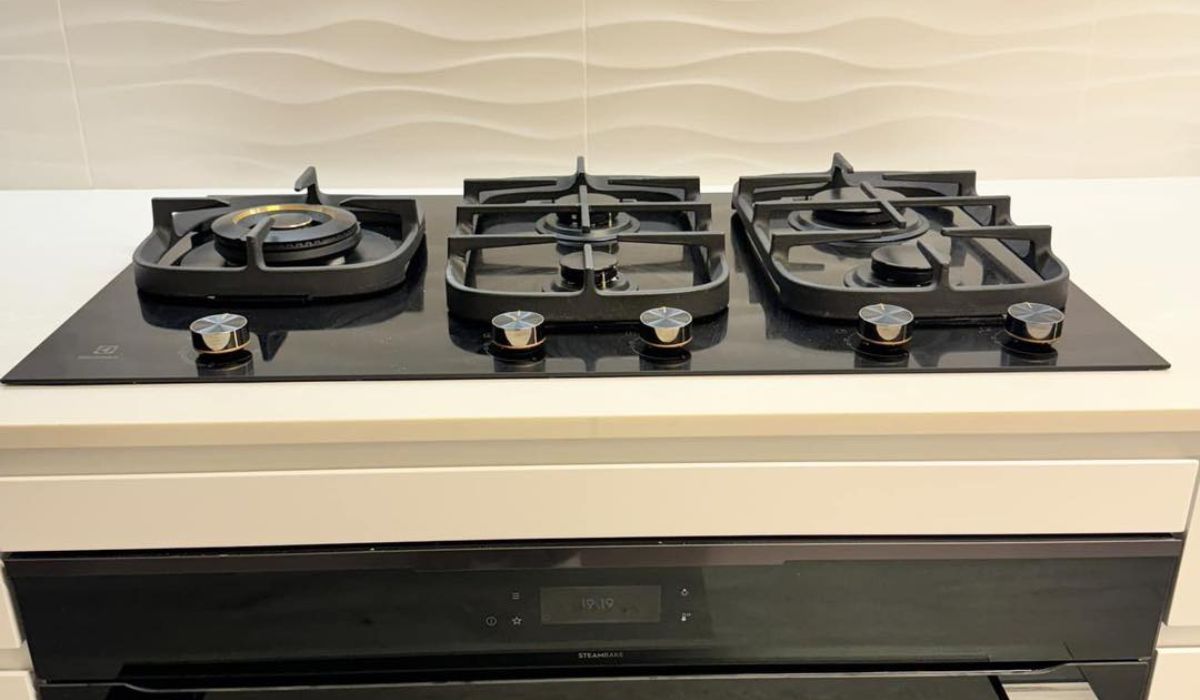
Most residential gas work revolves around appliances homeowners use every day. Kitchens usually top the list because gas cooktops remain hugely popular across Macarthur homes.
Hot water systems also create a large amount of Gas Fitting work, especially in family households where demand stays high year-round. Older gas hot water systems can lose efficiency over time, particularly if maintenance gets delayed.
Outdoor entertaining areas have also changed the game in recent years. More homeowners now install outdoor kitchens, pizza ovens and BBQ connections, which means outdoor Gas Fitting has become far more common than it used to be.
Here is a quick breakdown of typical residential gas jobs:
| Gas Fitting Service | Why Homeowners Need It |
| Gas cooktop installation | Kitchen upgrades and renovations |
| Heater servicing | Better winter performance |
| Hot water system repairs | Consistent hot water supply |
| Gas leak detection | Safety and compliance |
| LPG appliance setup | Outdoor and rural properties |
| Gas line repairs | Ageing pipes or damaged fittings |
How Much Does Gas Fitting Cost?
This is usually the first question homeowners ask, and honestly, the answer depends heavily on the job itself.
Simple appliance connections cost far less than major gas line repairs or complete system upgrades. Accessibility also affects pricing. A technician working comfortably in an open outdoor area faces a very different job compared to someone crawling beneath an older home with limited access.
Several factors influence Gas Fitting costs in Macarthur:
- Type of appliance
- Natural gas or LPG setup
- Distance from the gas line
- Condition of existing pipework
- Property access
- Safety testing requirements
- Additional replacement parts
I always suggest homeowners avoid choosing purely on price alone. Cheap gas work can become extremely expensive if poor installation creates future problems.
A properly completed job usually saves money long-term because the system runs more efficiently and reliably.
What Happens During a Professional Gas Fitting Appointment?
Most homeowners feel less stressed once they understand the process.
A professional Gas Fitting visit usually begins with an inspection of the appliance, fittings and surrounding pipework. The gasfitter checks for existing problems before touching anything. That matters because hidden issues sometimes appear during installations or repairs.
Once the inspection finishes, the plumber isolates the gas supply if required and begins the installation or repair work carefully. After the job itself, proper testing becomes the priority.
Good gasfitters do not simply connect an appliance and leave.
They test for leaks, confirm pressure levels, check appliance operation and ensure everything performs safely before packing up tools. That final testing stage matters enormously because it confirms the system operates properly under normal use conditions.
A clean, organised technician also tends to signal professionalism. I always notice when tradespeople respect the home they work in.
The Difference Between Natural Gas and LPG
Many Macarthur homeowners use natural gas, but some properties still rely on LPG systems, especially in semi-rural areas.
While both fuel types perform similar roles, the appliances and fittings must suit the correct gas type. You cannot safely swap between them without proper adjustments.
Natural gas usually arrives through mains supply lines connected to the property. LPG, on the other hand, comes from stored gas bottles or tanks.
That difference affects:
- Appliance compatibility
- Pressure settings
- Installation methods
- Storage requirements
- Ventilation considerations
This is another reason licensed Gas Fitting matters so much. Proper installation depends on understanding exactly how the fuel system operates inside the home.
How to Keep Your Gas Appliances Running Properly
Good maintenance saves homeowners from bigger headaches later.
Gas appliances generally perform well for years when homeowners stay proactive. Small warning signs become much easier and cheaper to manage early rather than waiting until the appliance stops completely.
I always recommend paying attention to performance changes. If your cooktop suddenly ignites poorly or your heater behaves differently during winter, get it checked sooner rather than later.
Simple habits help massively.
Keep appliances clean. Avoid blocking ventilation areas. Pay attention to unusual smells or noises. Book servicing when appliances age. Those small steps help your system stay safer and more reliable over time.
And honestly, your future self will thank you during the middle of winter when the hot water still works perfectly.
Mistakes Homeowners Often Make With Gas Systems
The biggest mistake is usually waiting too long.
Homeowners often ignore minor warning signs because the appliance technically still works. Unfortunately, gas systems rarely repair themselves out of kindness.
Another common issue involves hiring unlicensed operators for cheap installation work. That decision may save money upfront but create serious repair costs later if the installation fails safety checks or develops leaks.
Some homeowners also install new appliances without checking whether the current gas setup supports them properly. A newer appliance may require different fittings, pressure settings or upgraded connections.
Gas systems work best when every part of the setup matches correctly.
Choosing the Right Gas Fitting Professional
Finding the right technician matters just as much as the repair itself.
A good gas plumber should explain problems clearly without drowning you in technical language. You want someone who communicates well, arrives professionally and checks the entire system carefully instead of rushing through the appointment.
I would always look for someone who:
- Holds proper licensing
- Works regularly with residential gas systems
- Explains pricing clearly
- Performs safety testing
- Understands both LPG and natural gas systems
- Treats your home respectfully
Trust matters enormously with Gas Fitting because homeowners rely heavily on the safety and reliability of the finished work.
Conclusion
A reliable gas system makes daily life easier, especially in busy Macarthur households where hot water, cooking and heating work hard every single day. But safe performance never happens by accident. Proper Gas Fitting keeps appliances running efficiently while reducing the risk of leaks, faults and expensive repairs later.
I always encourage homeowners to act early when something feels off. Strange smells, uneven flames or inconsistent appliance performance usually signal problems worth checking properly.
The good news is that experienced professionals can often solve issues before they become major headaches.
If your cooktop, heater, gas line or hot water system needs attention, contact a licensed Gas Fitting professional in Macarthur and get expert advice before small issues become expensive ones.
Frequently Asked Questions
1. What does Gas Fitting include?
Gas Fitting includes installing, repairing and maintaining gas appliances, gas lines, heaters, hot water systems and LPG or natural gas connections.
2. How do I know if I have a gas leak?
Common signs include a gas smell, hissing sounds, yellow flames, higher gas bills or appliances performing poorly.
3. Can I install a gas appliance myself?
No. Licensed professionals should handle Gas Fitting work because incorrect installation can create serious safety risks.
4. How often should gas appliances get checked?
Most appliances benefit from regular servicing every few years, especially heaters and older systems that receive heavy household use.