A hidden water leak does not usually arrive with drama. It does not kick the door open wearing a villain cape. It starts quietly behind a wall, under a slab, inside a ceiling, or beneath the garden, then waits while your water bill climbs and your home starts whispering, “Something is not right.”
I see Leak Detection as one of those home maintenance jobs that people only think about when the problem already feels expensive. A damp patch appears. The floor smells musty. The paint bubbles. The water meter keeps moving even when nobody uses water. Suddenly, that tiny clue becomes a full detective case.
If you live in Macarthur and suspect something is leaking behind the scenes, speaking with a Leak Detection specialist in Macarthur can help you find the problem faster, reduce damage and avoid guessing your way through walls, tiles or concrete.
Why Hidden Leaks Matter
A hidden leak can damage more than your plumbing. It can affect walls, floors, cabinets, ceilings, carpets, foundations and even indoor air quality if mould starts growing. The worst part? You may not see the leak until it has already caused damage.
That is why early Leak Detection matters. The faster you find the leak, the faster you can stop water from spreading into areas where it should never go. Water is lovely in a glass. Less lovely inside plasterboard.
Hidden leaks can also waste a lot of water over time. If your water use jumps without a clear reason, you should investigate. A small leak that runs day and night can quietly turn into a costly problem.
When You Should Call a Licensed Plumber
You can check basic signs yourself, but you should not attempt major plumbing work unless you hold the right licence. In NSW, plumbing and drainage work must meet proper licensing rules, and NSW Fair Trading provides official information about plumbing, draining and gasfitting licensing.
For homeowners, the simple rule works well: if you suspect a hidden leak, call a qualified plumber before damage spreads. A professional can use proper tools, check the likely source and recommend the right repair.
This matters because hidden leaks can sit in awkward places. Pipes may run under concrete, behind bathroom walls, through roof spaces or under outdoor areas. Randomly cutting holes to “have a look” can create more mess than answers.
Common Signs You Need Leak Detection
Hidden leaks often leave small clues before they create big damage. If you know what to look for, you can act sooner.
Watch for these warning signs:
• A sudden increase in your water bill
• Damp or wet patches on walls, floors or ceilings
• Mould or mildew smells
• Bubbling paint or peeling wallpaper
• Warped skirting boards or flooring
• Low water pressure
• Sound of running water when taps stay off
• Water meter movement when no one uses water
• Cracked tiles or loose flooring
• Patches of extra-green grass in the yard
If you notice one sign, keep an eye on it. If you notice two or three, do not ignore it. Your house may have started giving you clues, and houses rarely gossip without reason.
How Leak Detection Works
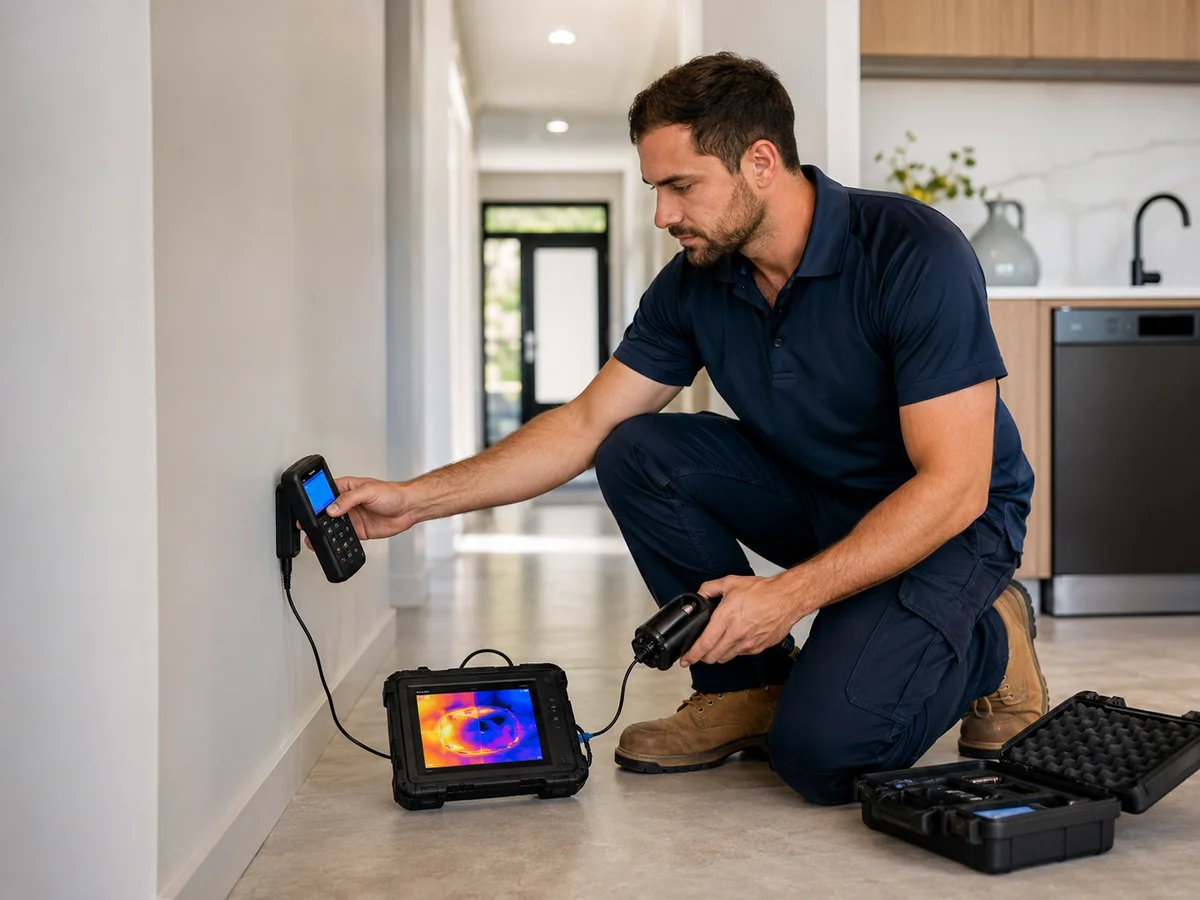
Professional Leak Detection uses tools and testing methods to locate the leak without unnecessary damage. The aim is simple: find the source as accurately as possible before repair work starts.
A plumber may use:
| Leak Detection Method | What It Does | Best For |
| Water meter test | Checks if water flows when all taps stay off | Confirming a possible leak |
| Pressure testing | Tests pipe pressure loss | Hidden pipe leaks |
| Acoustic equipment | Listens for leak sounds | Underground or wall leaks |
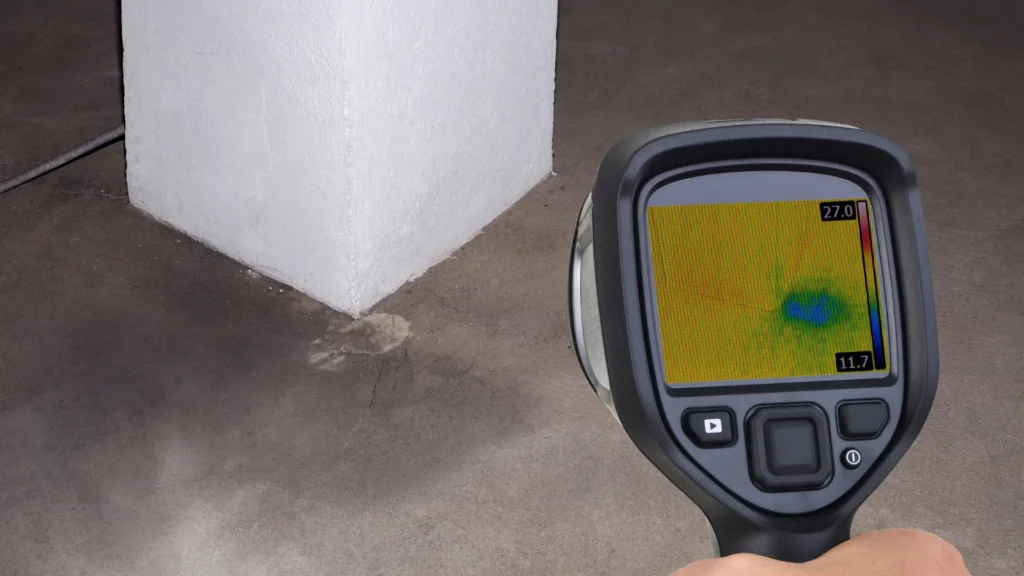
| Thermal imaging | Finds temperature differences | Moisture behind walls or floors |
| Moisture meter | Measures dampness in surfaces | Walls, ceilings and floors |
| Dye testing | Tracks water movement | Toilets, drains and wet areas |
| Visual inspection | Checks fixtures, pipes and wet zones | Early diagnosis |
No single method suits every leak. A good plumber uses the right mix based on your property, symptoms and pipe layout.
How Much Does Leak Detection Cost in Macarthur?
Leak Detection costs can vary depending on the leak location, access, equipment needed and time involved. A simple inspection may cost less than a complex underground or slab leak investigation.
Here is a practical cost guide:
| Service Type | Estimated Cost Range |
| Basic leak inspection | $150 to $300+ |
| Water meter and pressure testing | $200 to $400+ |
| Acoustic leak detection | $300 to $600+ |
| Thermal imaging inspection | $300 to $700+ |
| Complex hidden leak investigation | $600 to $1,200+ |
| Emergency leak callout | Higher, depending on timing |
These figures act as a general guide only. The final cost depends on the property and how difficult the leak is to find.
I always suggest asking what the callout includes. Some plumbers include basic testing in the visit. Others charge separately for advanced equipment. Clear pricing saves awkward surprises.
What Affects Leak Detection Pricing?
Several things can change the price of Leak Detection. Some leaks behave nicely. Others hide like they studied espionage.
Cost factors include:
• Leak location
• Pipe depth
• Property size
• Access difficulty
• Type of pipework
• Equipment needed
• Emergency timing
• Number of suspected leak points
• Whether walls, floors or concrete hide the pipe
• Repair complexity after detection
A leak under a kitchen sink may take minutes to find. A leak under a concrete slab may need pressure testing, acoustic tools and careful diagnosis. That extra time and equipment affect the price.
Hidden Leak vs Visible Leak
A visible leak gives you obvious evidence. You see water dripping, pooling or spraying. A hidden leak plays a quieter game.
| Type of Leak | What You Notice | Typical Action |
| Visible leak | Drips, puddles or water spraying | Turn off water and call a plumber |
| Hidden wall leak | Damp walls, bubbling paint, mould smell | Book Leak Detection quickly |
| Slab leak | Warm floors, low pressure, high bills | Advanced testing needed |
| Roof space leak | Ceiling stains or sagging plaster | Inspect pipes or roof areas |
| Underground leak | Wet soil, meter movement, green patches | Acoustic or pressure testing |
Visible leaks demand quick action. Hidden leaks demand smart action. Either way, delay rarely helps.
What to Do If You Suspect a Hidden Leak
If you think you have a leak, take a calm but quick approach. Panic rarely fixes plumbing. It usually just makes you stare at the wall harder.
Follow these steps:
- Turn off all taps and appliances that use water.
- Check your water meter and see if it keeps moving.
- Look for damp patches, smells or stains.
- Avoid cutting walls or lifting tiles yourself.
- Turn off the main water supply if water damage grows.
- Take photos of visible damage for records.
- Call a plumber for professional Leak Detection.
If you see active flooding, turn off the water supply immediately. Then call a plumber. Speed matters when water starts moving through your home.
Leak Detection for Bathrooms
Bathrooms create many hidden leak problems because water runs through walls, floors, showers, toilets, basins and drains. A bathroom leak can hide behind tiles, under waterproofing or inside vanity cabinets.
Signs may include:
• Loose tiles
• Swollen vanity panels
• Mould near corners
• Damp carpet outside the bathroom
• Water stains on ceilings below
• Musty smell
• Cracked grout or silicone
A professional plumber can check whether the issue comes from supply pipes, drains, waterproofing, shower screens or fixtures. This matters because not every bathroom leak comes from a pipe. Sometimes grout, silicone or drainage issues cause the damage.
Leak Detection for Kitchens and Laundries
Kitchens and laundries also hide leaks well. Pipes sit behind cupboards, under sinks, near dishwashers, behind washing machines and inside walls.
Common leak points include:
• Sink pipework
• Dishwasher connections
• Washing machine hoses
• Tap fittings
• Fridge water lines
• Hot water connections
• Drain traps
• Cabinet plumbing penetrations
If your kitchen cabinet smells musty or the kickboard starts swelling, check quickly. Cabinetry does not enjoy water. It absorbs it like a sponge wearing a tuxedo.
Slab Leak Detection
Slab leaks can cause major stress because the pipe sits under concrete. You may notice warm floor spots, higher water bills, low pressure, damp flooring or the sound of water running.
A plumber may use pressure testing, acoustic equipment and thermal imaging to narrow down the leak location.
Slab leaks need careful handling because guessing can lead to unnecessary concrete cutting. Accurate Leak Detection helps reduce damage and gives you a clearer repair plan.
Repair options may include:
• Accessing the leaking section
• Rerouting pipework
• Replacing damaged pipe
• Isolating sections of pipe
• Repairing flooring after plumbing work
The best option depends on pipe location, age, access and your home’s layout.
Outdoor and Underground Leak Detection
Not every leak happens inside the home. Outdoor leaks can occur in garden taps, irrigation lines, main water pipes, pool top-up lines or underground supply pipes.
Signs include:
• Wet patches in the yard
• Soggy soil during dry weather
• Extra-green grass in one area
• Low water pressure
• Water meter movement
• Puddles near paths or driveways
• Cracks or movement in paved areas
Outdoor leaks can waste water for weeks before anyone notices. If your garden suddenly looks like one patch has discovered a secret fertiliser deal, check for a leak.
Can Leak Detection Prevent Property Damage?
Yes, early Leak Detection can help prevent serious property damage. It allows you to stop the water before it damages plaster, timber, flooring, cabinetry or structural areas.
Early detection may help reduce:
• Wall and ceiling damage
• Mould growth
• Timber swelling
• Flooring replacement
• Cabinet repairs
• Paint and plaster repairs
• Water waste
• Insurance stress
The longer water sits, the more damage it can create. Quick action gives you the best chance to keep repairs smaller.
Can You Do Leak Detection Yourself?
You can do basic checks, but professional equipment gives better accuracy.
DIY checks include:
• Checking the water meter
• Looking for damp spots
• Listening for running water
• Checking under sinks
• Inspecting toilets
• Looking for outdoor wet patches
• Reviewing water bills
But DIY checks have limits. You may confirm that a leak exists, but you may not locate it accurately. That is when professional Leak Detection helps.
How to Prevent Hidden Leaks
You cannot prevent every leak, but you can lower the risk with simple habits.
Useful prevention tips include:
| Prevention Step | Why It Helps |
| Check water bills monthly | Spots unusual water use early |
| Inspect under sinks | Finds small leaks before damage grows |
| Replace old flexi hoses | Reduces burst hose risk |
| Service hot water systems | Helps catch pressure and valve issues |
| Keep gutters clear | Reduces water overflow near walls |
| Repair cracked grout or silicone | Limits bathroom water entry |
| Check outdoor taps | Prevents slow yard leaks |
| Book plumbing checks | Finds weak points early |
Flexi hoses deserve special attention. Many homes use them under sinks and basins. If they age, rust or bulge, replace them before they fail.
When Does a Hidden Leak Become an Emergency?
A hidden leak becomes urgent when water spreads quickly, affects electrical areas, damages ceilings, causes swelling floors, or creates safety risks.
Call a plumber quickly if you notice:
• Water near power points or lights
• Sagging ceiling plaster
• Fast-growing damp patches
• Water coming through walls
• Strong mould smell
• Flooding under cabinets
• No water pressure
• Hot water leaking from the system
If you worry about electrical safety, turn off power only if you can do it safely and call a licensed electrician or emergency service as needed.
Insurance and Leak Detection
Home insurance may cover sudden and accidental water damage, but policies differ. Many insurers may not cover long-term neglect or gradual leaks that you ignored for months.
That is why records help. Keep photos, plumber reports, invoices and notes about when you first noticed the issue.
Professional Leak Detection can also support your claim because it gives a clearer explanation of what happened, where the leak started and what repair work the plumber recommended.
I would always check your policy and speak with your insurer directly. Plumbing advice helps fix the leak. Insurance advice needs to come from your insurer.
Conclusion
A hidden leak can start small, but it can damage your home, waste water and create expensive repairs if you ignore it. The signs often look subtle at first: a higher bill, a damp patch, a musty smell, bubbling paint or a water meter that keeps moving.
Professional Leak Detection helps you find the source faster and avoid unnecessary damage. Whether the leak sits behind a wall, under a slab, in the bathroom, in the laundry or outside in the yard, early action gives you the best result.
Do not wait until a small leak turns into a renovation project you never wanted.
If you suspect a hidden leak in your Macarthur home, book a professional Leak Detection service and stop the problem before it spreads.
Frequently Asked Questions
1. What is Leak Detection?
Leak Detection means finding the source of a water leak using testing methods and equipment such as pressure testing, moisture meters, acoustic tools or thermal imaging.
2. How do I know if I have a hidden leak?
You may notice a high water bill, damp patches, mould smells, bubbling paint, low water pressure or water meter movement when all taps stay off.
3. How much does Leak Detection cost in Macarthur?
Leak Detection may cost from around $150 to $700+ for many common jobs. Complex underground or slab leaks can cost more depending on access and equipment.
4. Can a plumber find a leak without breaking walls?
Yes, many plumbers use non-invasive tools to locate leaks more accurately before opening walls, floors or concrete. This can reduce unnecessary damage.
5. Is a hidden leak dangerous?
A hidden leak can damage property, create mould, affect electrical areas and waste water. Fast action helps reduce risk and repair costs.
6. What should I do first if I find a leak?
Turn off nearby taps or the main water supply if needed, avoid touching electrical areas, take photos and call a licensed plumber.
7. Can Leak Detection find slab leaks?
Yes, plumbers can use pressure testing, acoustic equipment and thermal imaging to help locate leaks under concrete slabs.
8. Will insurance cover hidden water leaks?
Insurance cover depends on your policy and the cause of the leak. Contact your insurer and keep plumber reports, photos and invoices.
9. Can I fix a hidden leak myself?
You can check basic signs, but you should call a licensed plumber for hidden leaks. Guesswork can cause more damage and may not fix the problem.
10. How can I prevent hidden leaks?
Check water bills, inspect under sinks, replace old flexi hoses, maintain hot water systems, repair cracked grout and book plumbing checks when you notice warning signs.