
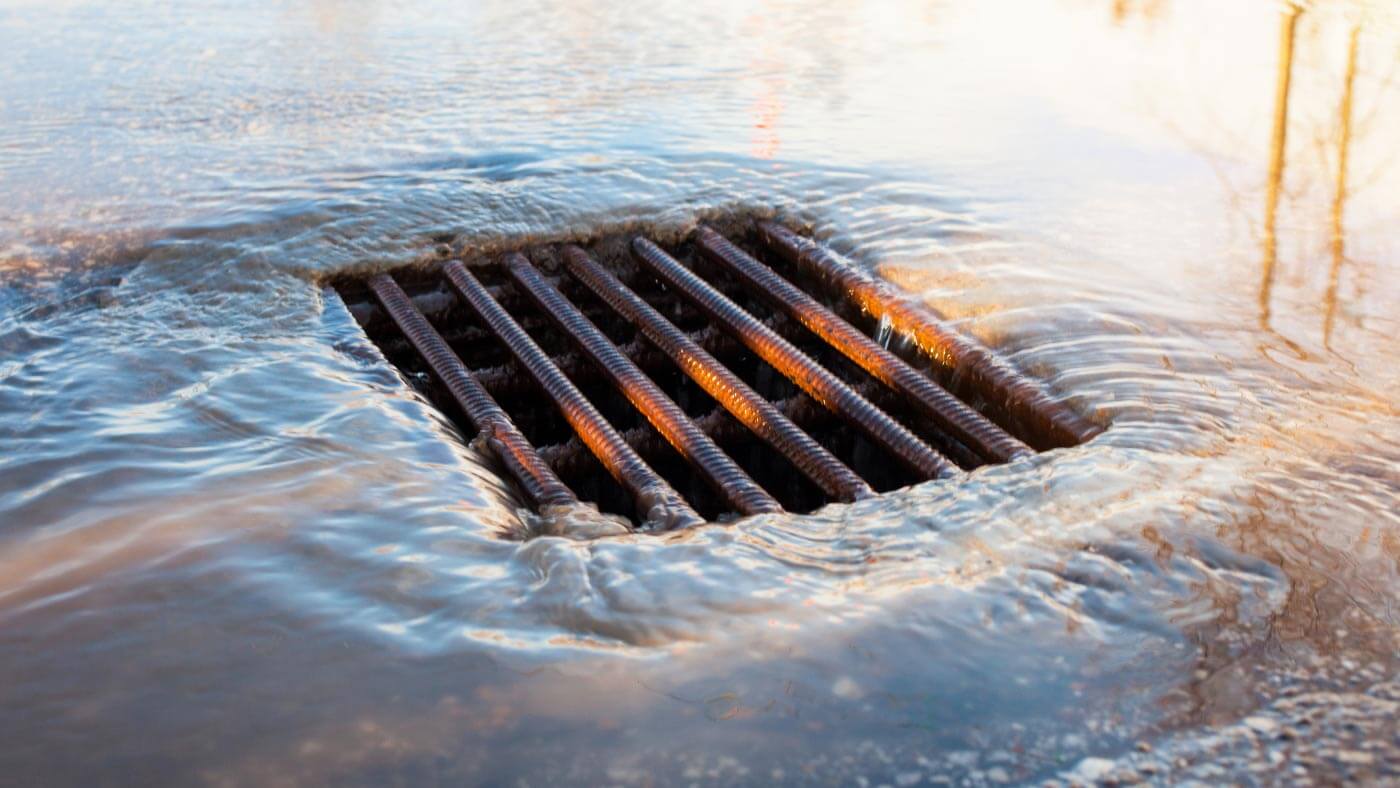
When stormwater drains work properly, you barely notice them. Rain falls, water runs off, and life carries on. But the second they clog, your yard starts acting like a bad reality show. Puddles hang around too long, gutters spill over, and suddenly your driveway looks like it’s auditioning for a creek.
I’ve seen this happen more often than most people expect, especially around Macarthur where leaf litter, heavy rain, garden runoff, and suburban landscaping all love teaming up against your drainage. A blocked stormwater system rarely starts with a dramatic flood. Usually, it begins quietly with slow drainage, soggy patches, and a weird smell you keep hoping will disappear on its own.
If you’re already noticing those signs, it’s worth looking into Professional Stormwater Drain Cleaning Macarthur before a small blockage turns into a wet, expensive mess. In this guide, I’ll walk you through the real causes, the smartest fixes, and the typical costs, so you know exactly what you’re dealing with.
What Is Stormwater Drain Cleaning, Exactly?
Stormwater drain cleaning means clearing the pipes and drainage points that carry rainwater away from your roof, driveway, paths, lawn, and outdoor surfaces. This system differs from your sewer line. Stormwater handles rain. Sewer handles wastewater. Mixing those two up usually leads to confusion, bad advice, or both.
A proper stormwater drainage system can include:
- gutters and downpipes
- grated drains
- pits and sumps
- underground PVC pipes
- strip drains along driveways
- kerb connections and discharge points
When these parts fill with leaves, mud, roots, silt, or debris, rainwater stops moving the way it should. That’s when stormwater drain cleaning becomes less of a maintenance task and more of a rescue mission.
Why Stormwater Drains Block in Macarthur
Macarthur homes deal with a pretty familiar mix of drainage problems. The climate, landscaping style, and local storms all play a part. In my experience, the blockage usually comes down to one or more of these culprits.
1. Leaf build-up and garden debris
If you’ve got trees around the property, you’ve got future drain drama. Leaves, bark, mulch, twigs, and seed pods wash straight into pits and pipes during rain.
2. Dirt, sand, and silt runoff
This one shows up a lot after landscaping, driveway work, or bare soil exposure. Once rain hits loose ground, that sediment moves fast and settles inside your stormwater pipes.
3. Tree root intrusion
Roots chase moisture like pros. If your pipes have tiny cracks or weak joints, roots can push in, expand, and trap debris until water flow slows right down.
4. Broken or collapsed pipes
Older stormwater lines, poor installation, ground movement, or heavy loads over buried pipes can crack or crush sections of pipe. Once that happens, blockages become a recurring problem.
5. Neglected gutters and downpipes
Your underground drain often cops the blame, but the real problem might start above ground. When gutters overflow with debris, water carries that mess straight into the stormwater line.
6. Heavy rainfall and sudden downpours
Macarthur storms can dump a lot of water quickly. Even a partly blocked system can fail under that pressure.
Why You Shouldn’t Ignore a Blocked Stormwater Drain
This part matters. A blocked stormwater drain doesn’t just create an ugly puddle near the garage. It can damage your home, your landscaping, and your wallet.
As the NSW EPA explains in its guidance on stormwater, blocked drains can contribute to flooding, overflows, and pollution in local waterways. That’s why good maintenance matters, not just for your place, but for the wider environment too. You can read more in the government resource The drain is just for rain.
Here’s what can happen when you leave it too long:
- water pools near foundations
- lawns turn boggy and unstable
- driveways and paths stay slippery
- garden beds erode
- retaining walls cop extra pressure
- mosquitoes move in like unwanted tenants
- stormwater backs up into pits, grates, and outdoor areas
And yes, the repair bill usually gets bigger the longer you wait.
Signs Your Stormwater Drain Needs Cleaning
A lot of homeowners wait for obvious flooding. I wouldn’t. The earlier you catch a blockage, the easier and cheaper it usually is to fix.
Watch for these warning signs:
- water pooling around pits or grates
- slow drainage after rain
- overflowing gutters feeding into downpipes
- gurgling sounds from outdoor drains
- bad smells near stormwater pits
- soggy patches in the yard during dry weather
- sediment or mulch washing back up through drain openings
- repeated blockages after every storm
Quick symptom guide
| Symptom | What it often means |
| Water sits near a drain | Partial blockage or poor flow |
| Pit fills and overflows | Pipe downstream may be clogged |
| Yard stays wet for days | Drainage line may be blocked or broken |
| Debris washes back out | Pipe can’t carry water away properly |
| One area floods repeatedly | Localised blockage or pipe fall issue |
How Stormwater Drain Cleaning Actually Works
A decent plumber won’t just poke the drain and hope for the best. Proper stormwater drain cleaning usually follows a clear process.
Step 1: Inspection
First, they assess where the blockage sits and how severe it looks. They may inspect pits, grates, downpipes, and overflow areas.
Step 2: CCTV drain camera check
For recurring or stubborn issues, a drain camera helps locate roots, cracks, collapsed sections, or heavy silt build-up. This step saves guesswork.
Step 3: High-pressure water jetting
This is the go-to method for most stormwater blockages. A high-pressure jet blasts through leaves, sludge, mud, and lighter root intrusion, then flushes the debris out.
Step 4: Debris removal and flushing
Once the blockage breaks up, the plumber clears pits and flushes the line to restore full flow.
Step 5: Repair if needed
If the camera shows cracked or collapsed pipework, cleaning alone won’t solve it. In that case, you may need a pipe repair or replacement.
DIY Fixes vs Professional Stormwater Drain Cleaning
I get the temptation. You see water near a grate, grab a hose, and think, “How hard can this be?” Sometimes a simple clean-up helps. Sometimes it does absolutely nothing except ruin your Saturday.
What you can safely do yourself
You can usually handle these basic tasks:
- remove leaves from grates and pits
- clean gutters regularly
- flush minor surface debris with a hose
- trim plants around drainage points
- keep mulch and soil away from drain openings
When you should call a pro
I’d stop DIY and call a licensed plumber when:
- the blockage keeps coming back
- water backs up fast during rain
- you suspect tree roots
- the pipe may have collapsed
- you notice flooding near the house
- multiple drains struggle at once
DIY vs professional help
| Job | DIY | Professional |
| Remove leaves from drain grate | Yes | Not usually needed |
| Clean gutters | Yes | Optional |
| Clear deep pipe blockage | Risky | Yes |
| Remove tree roots | No | Yes |
| Diagnose cracked pipe | No | Yes |
| High-pressure drain jetting | No | Yes |
DIY works for surface mess. Professional stormwater drain cleaning works for actual pipe problems.
How Much Does Stormwater Drain Cleaning Cost in Macarthur?
Now for the bit everyone wants to know. Costs vary depending on the blockage type, the drain layout, access, and whether the plumber needs a camera inspection or repair work.
Here’s a realistic guide for Macarthur-area homes.
Typical stormwater drain cleaning cost ranges
| Service | Typical Cost Range |
| Basic drain inspection and minor clearing | $150–$300 |
| High-pressure jetting for standard blockage | $250–$500 |
| CCTV drain camera inspection | $200–$400 |
| Jetting plus camera inspection | $400–$800 |
| Tree root removal or heavy blockage clearing | $450–$900+ |
| Pipe repair or replacement | Varies widely, often $800+ to several thousand |
What affects the price?
A few things can push the cost up or down:
- Access to the drain – Easy access usually means a lower bill.
- Blockage severity – Mud and leaves cost less to clear than roots and pipe damage.
- Length of pipework – Longer runs take more time.
- Equipment needed – CCTV cameras and jetters cost more than a basic callout.
- After-hours or urgent service – Emergency work can bump up the price fast.
I always tell people this: the cheapest quote doesn’t always save you money. If someone clears the symptom but misses the cracked pipe, you’ll end up paying twice.
How to Prevent Stormwater Drain Blockages
Prevention looks boring right up until it saves you a flooded backyard. A little routine maintenance goes a long way.
Smart prevention tips
- clean gutters before storm season
- remove leaf litter from pits and grates
- install gutter guards where suitable
- avoid washing soil, mulch, and debris into outdoor drains
- book periodic inspections if you’ve had repeat issues
- keep large trees away from older pipe runs where possible
- fix cracked pipes before roots turn them into a jungle gym
Easy seasonal checklist
| Season | What I’d check |
| Autumn | Leaves in gutters, pits, and grates |
| Winter | Drain flow after heavy rain |
| Spring | Root growth, garden runoff, landscaping debris |
| Summer | Cracks, dry-weather smells, drain condition before storms |
When a Blocked Stormwater Drain Becomes an Emergency
Not every blockage needs same-day help. Some definitely do.
Call urgently if:
- water starts moving toward your house
- outdoor flooding reaches electrical areas
- drains overflow during every rainfall
- you suspect a collapsed pipe
- a retaining wall, paved area, or driveway starts shifting from water pressure
Once water threatens the structure of your property, the issue moves beyond “annoying” and into “expensive very quickly.”
Final Thoughts
Stormwater Drain Cleaning might not sound glamorous, and fair enough, it’s hardly dinner-party material. But it protects your home, keeps your outdoor areas usable, and helps you avoid repair bills that sting far more than a routine clean-out ever will.
If I noticed pooling water, slow drainage, overflowing pits, or soggy spots around my place in Macarthur, I wouldn’t leave it to chance. I’d act early, get the system checked properly, and fix the real cause before the next downpour turns a small blockage into a backyard disaster.
If your drains already show warning signs, now’s the time to sort them out. Book a professional inspection and stormwater drain clean before the next heavy rain puts your property to the test.
FAQs About Stormwater Drain Cleaning
1. What causes stormwater drains to block most often?
In most homes, leaves, mud, silt, mulch, and garden debris cause the blockage. In older systems, tree roots and cracked pipes also create major problems.
2. How do I know if I need stormwater drain cleaning?
If you see pooling water, slow drainage, overflowing pits, soggy ground, or recurring blockages after rain, your system likely needs cleaning or inspection.
3. Can I clean a stormwater drain myself?
You can clear surface debris, clean gutters, and tidy pits. But if the blockage sits inside the pipe, keeps returning, or involves roots, I’d call a professional.
4. How much does stormwater drain cleaning cost in Macarthur?
For a straightforward job, you might pay around $150 to $500. If the plumber needs CCTV inspection, root removal, or repairs, the cost can rise well beyond that.
5. Is stormwater drain cleaning different from sewer drain cleaning?
Yes. Stormwater drains carry rainwater from outdoor areas. Sewer drains carry wastewater from toilets, sinks, and showers. They’re separate systems and need different handling.
6. How often should stormwater drains be cleaned?
That depends on your property. If you’ve got lots of trees, older pipes, or previous blockages, I’d check them at least yearly and before major storm periods.
7. Can blocked stormwater drains damage my house?
Yes. If water pools near the home, it can affect foundations, paving, retaining walls, landscaping, and other outdoor structures over time.
8. What is the best method for clearing a blocked stormwater drain?
For deep or stubborn blockages, high-pressure water jetting combined with a CCTV drain camera inspection usually gives the best result. It clears the drain and helps identify the real cause.