If you’ve ever heard that tiny drip-drip sound when all taps are off, you know how sneaky a leaking tap can be. It starts as a mild annoyance, but left alone it can turn into a bigger headache. In Macarthur’s climate, even a small leak can go unnoticed until it causes damage – from mouldy cabinets to unexpectedly high water bills.
Over time, a leaking tap can waste thousands of litres of water and drive up your bills, not to mention rot wood, rust metal and foster mould growth. I’ve seen homes with water-stained ceilings and warped floors just because a tap leak went unaddressed.
Acting fast can prevent that kind of damage. Believe me, it’s far better to fix a tiny leak today than replace a whole vanity or section of wall tomorrow.
If any of the clues below ring true, don’t hesitate – call in the expert leaking tap repairs Macarthur team right away. Getting professional advice early can save time, money and hassle down the line.
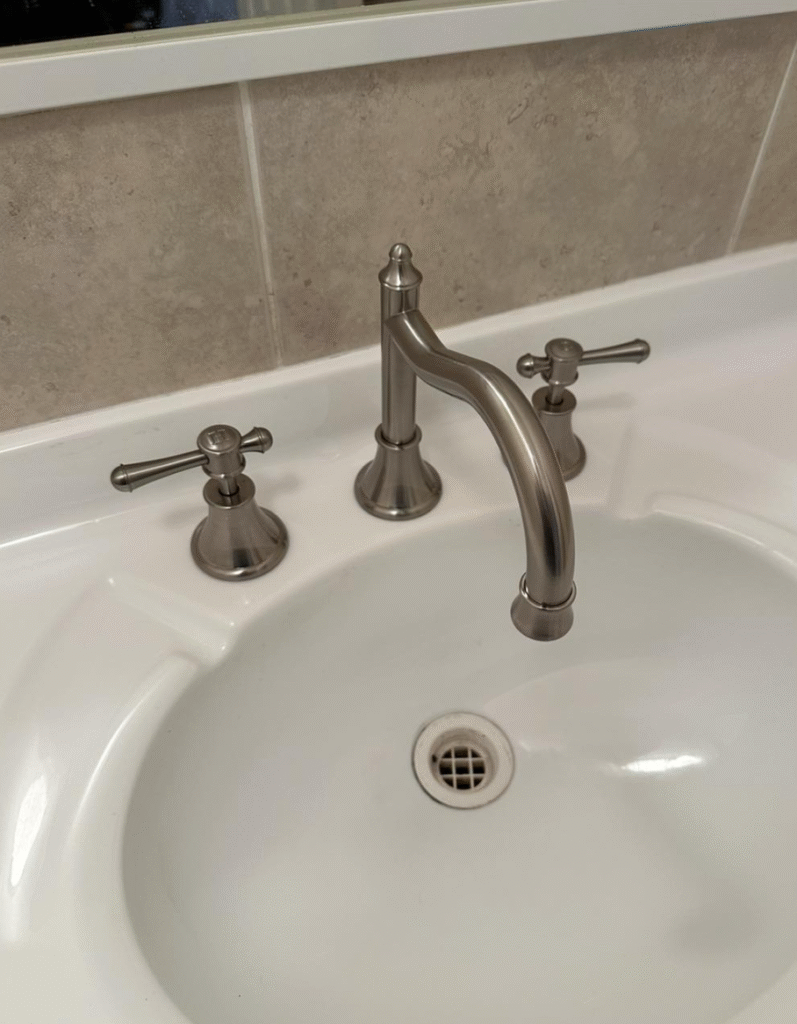
1. Persistent Dripping When Off
This is the most obvious sign: a tap that won’t fully turn off and just keeps dripping. It can start as one drip per minute, then grow into a tiny stream. In the beginning, you might not think much of a few drops — but even slow drips add up.
A famous stat tells us a single drip per second wastes over 12,000 litres of water per year! That’s enough to swim in. It also means a higher water bill if you ignore it.
What causes this? Usually worn-out washers, seals or o-rings inside the tap. Over time, they stop forming a tight seal. Even a small scratch or mineral deposit on the valve can let water through. So if your tap is still dripping after you turn it off tight, it’s not “just old age” – it’s a call for repair.
2. Water Pooling Around the Base
When you mark a small puddle forming under your tap or on the sink surface, that’s bad news. It usually means water is escaping from where the tap meets the sink, not just the spout. Often, this is due to a worn o-ring, loose connection, or even a cracked tap housing.
Look inside the tap’s collar (the part anchored to the sink): if there’s moisture or steady dripping there, don’t wait. Water pooling can soak into cabinets or the floor, inviting rot or mould.
Once saw a kitchen where the cabinet doors were warped on one side – turned out a leaky mixer tap had been silently dribbling under the sink for months! If you catch it early, a quick sealing and refitting can stop the leak before any serious damage.
3. Rust, Discolouration or Water Stains
Have a look at the base of the tap, or any nearby wall or countertop. Are there rusty stains, mineral deposits or a white calcium crust forming? This tells you that water has been leaking slowly for a while.
Rust on a tap usually means metal parts have been corroding because of constant moisture. It could be around the base where a slow drip landed, or inside the sink bowl if water is spraying or misting.
Even discoloured grout or a ring of dampness around the tap’s edge is a warning. These stains won’t go away on their own – they get worse with time. If you see them, it’s time to fix the leak behind them.
Typically, this means cleaning off the corrosion, replacing any damaged fittings, and ensuring everything is sealed properly. Catch and fix the early prevents the rust from eating into the tap’s inner working area, which would lead to a much bigger and messier fix later.
4. Stiff or Hard-to-Turn Handles
When you turn a tap on and off, it should move smoothly. If the handle suddenly feels stiff, loose, or it “crunches” as it moves, that’s a sign something is wearing out inside. Inside your tap are small parts like ceramic discs or rubber washers that control water flow.
Over time, mineral deposits from hard water or general wear can make these parts stick or grind.
I’ve felt it myself — one day a tap handle is buttery smooth, the next it’s gritty or feels jammed. Usually this means an internal component is seized up or the seal is no longer sliding correctly.
If you force the handle, you risk breaking the tap entirely. Instead, consider this a warning: get it serviced or replaced. Many plumbers can replace a stiff spindle or cartridge without swapping the whole tap, saving you money.
5. Unusual Noises When Tapping or Turning On Water
Have you ever heard a strange sound — like squeaking, clunking or a banging — when you use a tap? That’s not normal. It might start as a squeak when you first open or close a tap, or a rattling as water flows. These noises usually mean there’s a loose part or the water pressure is fluctuating.
Or debris might be caught inside, acting like sandpaper on the moving parts. Sometimes pipes themselves bang if a tap doesn’t shut off cleanly, causing “water hammer” when pressure suddenly stops.
None of these sounds are good; they suggest a leak or failing part is just around the corner. Better to fix it now — catching it early means a quick replacement or adjustment instead of potentially cracking the tap or breaking something later.
6. Damp Cabinets or Mould Under the Sink
Water always follows the path of least resistance. If your tap is leaking (even slowly), the excess water may drip into the cabinet under your sink, or seep behind walls. Over a period of days or weeks, this creates a damp, musty environment perfect for mould or mildew to flourish.
In fact, if you notice black or grey mould spots under the sink, or a musty smell, inspect the plumbing immediately.
Even a very slow drip can drip constantly, and over time it fills the air with moisture. Wood cabinetry, drywall and insulation can get wet, leading to rot or even structural damage. If the problem becomes serious, you might see peeling cabinet veneer or warped doors.
The solution? Fix the leak right away (and clean up any damp with vinegar or specialised spray to stop mould). Getting a leaking tap repaired by a pro will dry out the cabinet and put a stop to mould before it spreads.
7. Sudden Spike in Your Water Bill
This sign can be sneaky because you might not connect it directly to the tap. But if you notice your water bill goes up drastically while usage habits stay the same, it often means there’s a hidden leak somewhere.
Taps are a common culprit. Even a tiny drip can waste litres per day, and you may not see it because it’s dripping into a drain or shadowy corner.
To put it in perspective, government water-saving guidance highlights that a single drip per second wastes more than 12,000 L per year.
That adds up — and you pay for every litre. If your bill jumps and you see none of the obvious signs above, try the old meter test: note the meter reading, avoid using water for an hour or two, and check it again.
A change means the leak is somewhere. Check every tap carefully. If you find it’s a leaky tap, get it fixed immediately. Otherwise that “mystery water” could continue bleeding money from your pocket.
Why Fixing a Leaking Tap Helps Save Water
A dripping tap might seem like a small problem, but it can be a big waste of water over time. That slow drip adds up and not only will it increase your water bill, but it also puts unwarranted pressure on Australia’s already limited water supply.
That’s why I always tell homeowners to take action early and not wait until it gets more costly.
Repairing a leaking tap isn’t just about protecting your plumbing system. It’s also about improving water efficiency throughout your home.
A useful resource to help you select water efficient taps, fixtures and fittings that save water but do not compromise on performance is the Australian Government’s Water Efficiency Labelling and Standards (WELS).
If you’re replacing an older tap during your Leaking Tap Repairs, choosing a high WELS-rated fixture can deliver long-term savings on your water bills.
When to Call a Professional for Leaking Tap Repairs?
Many homeowners put off Leaking Tap Repairs as the drip doesn’t appear to cause damage. It’s been my experience that if you let that little leak go on too long, it often becomes a much bigger plumbing problem.
If your tap drips constantly after turning it off, has leaks around the base, low water pressure, or makes strange noises when in use, you need to schedule professional Leaking Tap Repairs. Act fast and you can avoid water damage, prevent unnecessary water wastage and avoid more costly plumbing repairs down the track.
Why Timely Leaking Tap Repairs Save Money
Delaying repairs on a leaking tap repairs rarely saves money. You might be surprised at how much water a dripping tap can waste over time, add to your utility bills and put extra strain on your plumbing system.
Fix leaking taps in time not only conserving the water but also help to protect cupboards, benchtops and surrounding fixtures from moisture damage. An unnoticed leak can lead to major plumbing repairs. It is usually much cheaper to invest in professional repairs early on.
Why You Should Let Professionals Fix Leaking Tap Repairs In Your Home
Many homeowners think a dripping tap is a minor irritation, but I’ve seen for myself how a small leak can quickly turn into a very expensive repair. Professional Leaking Tap Repairs do more than stop the dripping sound, they help to protect your home from hidden water damage, mould growth and damaged cabinetry.
A licensed plumber can determine the real cause of the leak and replace worn components and make sure your plumbing system is running efficiently again. Early investment in Leaking Tap Repairs helps prolong the life of your taps, and prevents more costly plumbing problems in the future.
Common Causes for Leaking tap repairs
Knowing why a tap leaks can help you prevent a minor problem from becoming a serious one. Most leaking tap repairs are caused by worn washers, damaged ceramic cartridges, loose O-rings, corroded valve seats or mineral deposits in the tap.
High water pressure in some homes can cause additional stress on the parts of the tap which will lead to them wearing out faster than normal. These problems may seem small at first but putting off Leaking Tap Repairs can result in more costly water bills, a decrease in water pressure and unwanted damage to surrounding fixtures.
Why you should opt for professional leaking tap repair and not DIY?
It can be tempting to try and fix a leaking tap yourself after watching a few online tutorials. But without the right tools or replacement parts, it’s easy to make the problem worse. When we do professional leaking tap repairs it means the correct fault is identified and corrected the first time.
Skilled plumbers can also look at the surrounding plumbing for hidden problems that may not be obvious right away. Choosing expert Leaking Tap Repairs gives you peace of mind, saves you valuable time and helps to prevent recurring leaks that could cost far more to repair later on.
Conclusion
Living in Macarthur, we’ve all heard the Aussie saying, “If it’s broke, fix it”. When it comes to leaking taps, this really rings true.
A small drip today can cause expensive damage down the line. By keeping an eye out for these warning signs – from constant dripping to mouldy cupboards – you can tackle the problem before it escalates.
If any of the above issues sound familiar, don’t wait for the situation to get worse. Call a qualified plumber or book in for service. In the meantime, turn off the water supply to the leaking tap if you can, to minimise damage. Remember, professional repair usually takes less time than the inconvenience of dealing with long-term leak damage.
Time to take action! Catch that leak early and get it sorted with expert help. Your home (and wallet) will thank you for it.
Frequently Asked Questions :
Q1. How do I know if my tap needs to be fixed?
If tap is continuously leakaging from the base, making strange noises or has low water pressure, it’s time to schedule Leaking Tap Repairs before it turns into a serious problem.
Q2. Does a dripping tap raise my water bill?
Yes. A drip means wasted water everyday which can build up to a higher water bill over time. Catching a leak early saves water and money.
Q3. Is a dripping tap a plumbing emergency?
Not always but it should not be overlooked. If you have a serious leak, water damage or can’t stop the water flowing, call a plumber straight away.
Q4. How do I fix a leaking tap?
Some leaks are simple enough to fix yourself, but most leaks require the proper tools and replacement parts. A professional repair will make sure the job is done right the first time.
Q5. How long do leaking tap repairs usually take?
Most Tap Leak Repairs take anywhere between 30 mins to 1 hour depending on the type of tap and cause of the leak.
Q6. Why do taps start dripping?
Most of the time it is worn washers, broken cartridges, loose seals, corrosion or simply normal wear and tear from daily use.