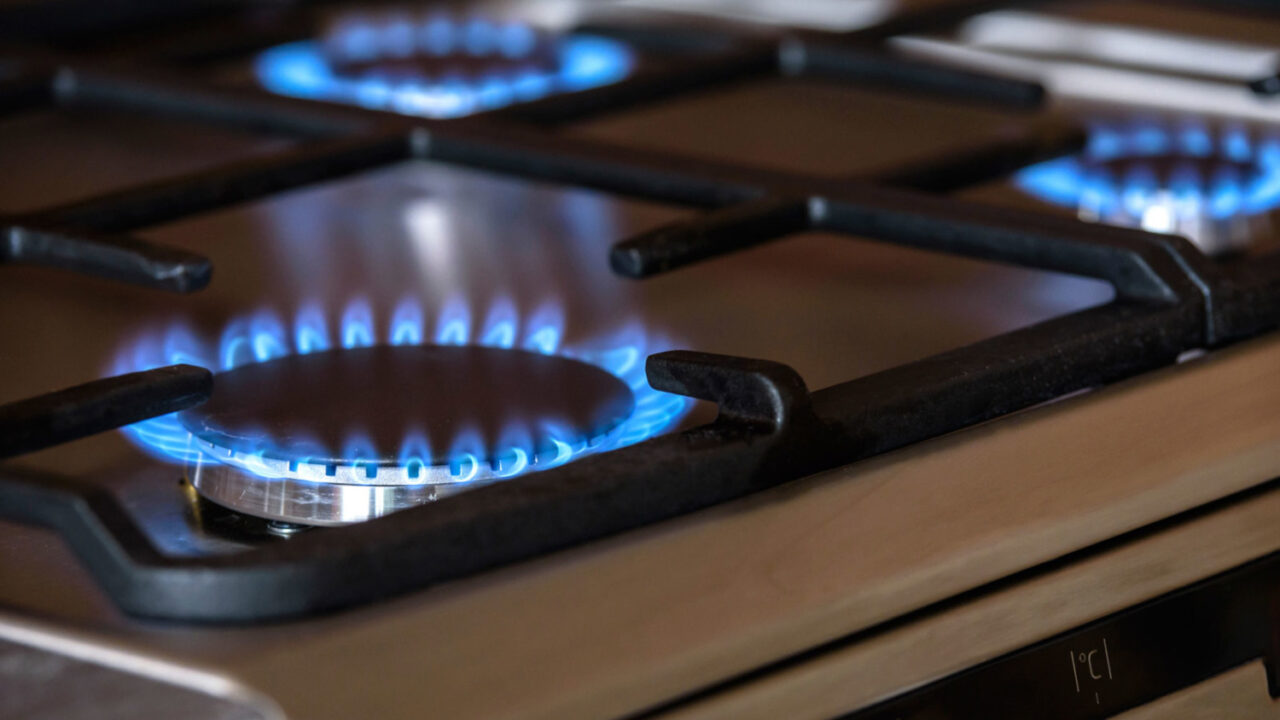
Imagine firing up the stove for a quick brekkie and catching a whiff of something foul – not just burnt toast, but that rotten-egg smell of gas. That moment should send alarm bells ringing, not daydreams of bacon sarnies. A gas leak is like a ninja in the night: silent, invisible and packing a punch.
Here in Macarthur we rely on gas for barbies and winter warmth, but taking it for granted can backfire fast. When gas escapes, even a minute’s delay can turn a cosy arvo into a disaster. In short: sniff out danger ASAP. Fast detection is the difference between a minor fix and a full-blown emergency.
Gas is tricky: natural gas (methane) is lighter than air and floats up into the ceiling, while LPG (propane) is heavier and hugs the ground. Both are fitted with that stinky mercaptan warning scent – thank goodness – but you can’t see or hear gas itself. By the time you notice, the room might be near explosion limits.
For example, official guidance flags that LPG-air mixes need only about 2% concentration to ignite, and natural gas around 5%. That’s just a couple of grocery bags worth of gas in a living room. Lower levels can still mess you up: think headaches, nausea, dizziness or even passing out from lack of oxygen. In other words, an unchecked leak is a silent liability. The faster you catch it, the safer everyone is.
I’m sure you’d rather not play hide-and-seek with a leak, so don’t wait around. Call the local gas leak detection experts immediately. These licensed pros in Macarthur have the gear and the know-how to hunt down sneaky gas escapes.
They’ll test your mains, valves and regulators with high-tech detectors (even dogs at times!) and seal leaks before sparks fly. You wouldn’t try to fix your own heart, right? Treat gas the same way – get qualified help on-site stat.
Spotting Leaks Early: Signs and Detection
Imagine a roadside sign that says “GAS” – your nose is the detector with gas. That rotten-egg odour is mercaptan, added so you smell trouble. If you catch that, you’re onto something. But don’t bank solely on smell – use all your senses and tools.
Listen for a hissing or whistling sound near pipes; watch for white/gray clouds outside; and look for dying vegetation around gas lines (gas can kill plants like smoke does in a barbecue). You can even do a simple soap test: squirt soapy water on fittings and joints, and watch for bubbles.
| Gas Type | Behavior | Odorant | Explosion Risk |
|---|---|---|---|
| Natural Gas | Lighter than air, rises | Mercaptan (added rotten-egg smell) | ~5% of air |
| LPG (Propane) | Heavier than air, sinks | Mercaptan | ~2% of air |
Technology helps too. If you’re a gadget person, home methane detectors (kinda like smoke alarms for gas) can alert you while you’re out. For professional searches, gas fitters in Macarthur carry ultramodern sniffers and infrared cameras that see gas plumes invisible to the eye. I once chatted with a plumber who even had a specially trained dog to sniff propane – pretty cool! Bottom line: trust any odd smell or sign.
Advanced gas detectors give you that extra edge. They pick up the tiniest leaks (think of a tiny hole in a pipeline – your housemate might never smell it, but a meter or smartphone detector might). Still, no gadget beats a quick human check. If in doubt, get someone to do a professional line inspection – don’t gamble with guesswork.
Emergency Steps: What to Do if You Smell Gas
Finding a leak is scary, but staying calm and acting fast is the key. Treat it like a fire drill:
- Cut off the gas. Shut down every appliance and turn the main valve off at the meter. (There’s usually a lever – turn it perpendicular to the pipe.)
- Ventilate: Open all doors and windows immediately. Let that gas cloud escape.
- No sparks or flames! Don’t light a match, cigarette or switch on any electrical device (even lights or phones). A tiny spark from a switch can trigger an explosion if gas is in the air.
- Evacuate quickly: Get everyone (and pets) outside to fresh air. This is not the time to double-check your phone.
- Call for help: Dial 000 (triple-zero) and also call your gas distributor’s emergency line. In NSW that’s 1800 GAS LEAK (1800 427 532). They’ll alert fire crews and gas technicians.
- Don’t go back: Stay outside until the professionals clear the air and say it’s safe.
These steps are non-negotiable. In Macarthur or any place, seconds count. Get clear of danger first, then let licensed gas-fitters and firefighters do their job. They’ll pressure-test the lines, find the exact leak, and make repairs safely.
Remember: gas companies and firefighters see this all the time – they’ll know how to handle it calmly. For extra peace of mind, you can review the latest NSW gas safety advice to understand your responsibilities and the recommended steps during a gas emergency.
When to Call the Experts
Even after you vent the area, never assume the job is done. Only licenced gas fitters (often emergency plumbers) should fix leaks or relight appliances. They have to follow strict codes to do it safely.
Our local Macarthur gas-fitters are trained to do a full safety sweep: they’ll check each burner, test all valves, and confirm there’s zero gas hanging about. They might use leak-detection sprays, precise gas monitors, and long hoses to follow any trace of gas.
Don’t try DIY patch-ups or ignore it hoping it’ll stop. A “quick fix” by an unqualified person can go wrong in a heartbeat. For example, one local bloke tried sealing a joint himself and accidentally triggered a small flame – nearly burned down his shed.
Trust me, that’s not fun. Professionals will also inspect your meter, vents, and any nearby appliances. They’ll ensure compliance with NSW gas regulations (the law’s strict for a reason).
After a scare like that, it’s worth getting a full safety check. In Macarthur, local plumbers offer 24/7 service for gas leaks – they’ll install new hoses or regulators if needed, and even provide a certificate if you need to prove it’s fixed. Think of it as an investment in peace of mind: not all heroes wear capes, some have wrenches and pressure gauges.
Conclusion
Gas is convenient but it demands respect and speed. The minute you suspect a leak, act like your life depends on it (because it just might). Evacuate, ventilate, call 000 and the gas company – then leave it to the pros. Make sure you have a working gas alarm, and consider booking a safety inspection with a qualified technician.
Stay vigilant and prepared. Check hoses on barbeques and heaters, and train everyone in your house what to do if they smell gas. Fast detection and quick action won’t just save property, it can save lives. Keep emergency numbers handy, and remember: in a gas emergency, swift action is your best mate.
Stay safe out there, Macarthur. Remember, it’s better to be overly cautious than to regret waiting. If in doubt, call a licensed gas professional – they’re the true gas leak detection experts you can rely on.
Frequently Asked Questions
What are common signs of a gas leak?
The biggest red flag is the rotten-egg smell (that’s mercaptan, the added scent). You might also hear a faint hissing or whistling from a pipe. Look for dead or discolored plants around gas lines, or bubbles if you spray soapy water on a fitting. Sometimes you’ll feel a “puff” of air when you turn on a switch, or notice unexplained headaches/dizziness at home (from low oxygen). If you see any of these, treat it as a real leak and take action immediately.
How quickly can a gas leak become dangerous?
Very fast. Gas disperses in seconds, and in a closed room it can reach explosive levels in a matter of minutes. Because even just 2–5% gas in air can ignite, one careless moment (like flipping a light switch) is all it takes to set off a blast. That’s why prompt detection and evacuation are crucial. Even if you think “it’s just a little leak,” don’t gamble.
What should I do if I suspect a gas leak?
First, don’t panic, but act decisively. Immediately turn off all gas appliances and the main gas valve if it’s safe. Open doors and windows to air out the area. Exit the building right away without using any electrical devices. Once you’re clear, call emergency services (000) and your gas emergency line (e.g. 1800 427 532 in NSW). Only re-enter when firefighters or gas technicians give the all-clear.
Who do I call to fix a gas leak?
After an emergency, the work falls to a licensed gas plumber or gas fitter. These pros are qualified to repair leaks and relight appliances according to legal standards. In Macarthur, you can find 24/7 emergency plumbers who specialize in gas. In the meantime, always call your gas distributor’s emergency number first if it’s an urgent leak situation.